Song Meaning
Carmen McRae's rendition of "Straighten Up and Fly Right" isn't just a breezy jazz standard; it's a sly parable about power dynamics and the art of not getting played. The seemingly simple narrative of a buzzard and a monkey becomes a potent metaphor for navigating treacherous relationships, both personal and societal. The buzzard, initially in control, offers the monkey a ride, implying a position of trust and advantage. However, his true intentions are revealed when he attempts to betray the monkey, highlighting the dangers of blind faith in those who hold power. The monkey's clever response – grabbing the buzzard's neck and demanding he "straighten up" – showcases the importance of self-preservation and assertive resistance against manipulation.
The repeated chorus, "Straighten up and fly right, cool down papa, don't you blow your top," functions as both a warning and a strategy. It's a call for integrity and ethical behavior directed at the buzzard, but also a reminder to the monkey (and the listener) to remain calm and composed in the face of adversity. The phrase "Ain't no use in divin', what's the use of jivin'?" further underscores the futility of deceit and dishonesty. McRae's delivery adds another layer to the song's meaning. Her confident, almost sardonic tone suggests a deep understanding of these power plays, hinting that she, like the monkey, has learned to recognize and counteract manipulative tactics.
Ultimately, "Straighten Up and Fly Right" transcends its whimsical exterior, offering a timeless lesson in critical thinking and self-reliance. It encourages listeners to question authority, trust their instincts, and demand accountability from those in positions of power. The song subtly acknowledges the vulnerability of those who are taken advantage of, but it also showcases the strength and resourcefulness required to overcome such situations. McRae's version, imbued with her signature wit and sophistication, transforms a simple animal fable into a masterclass on navigating the complexities of human interaction.
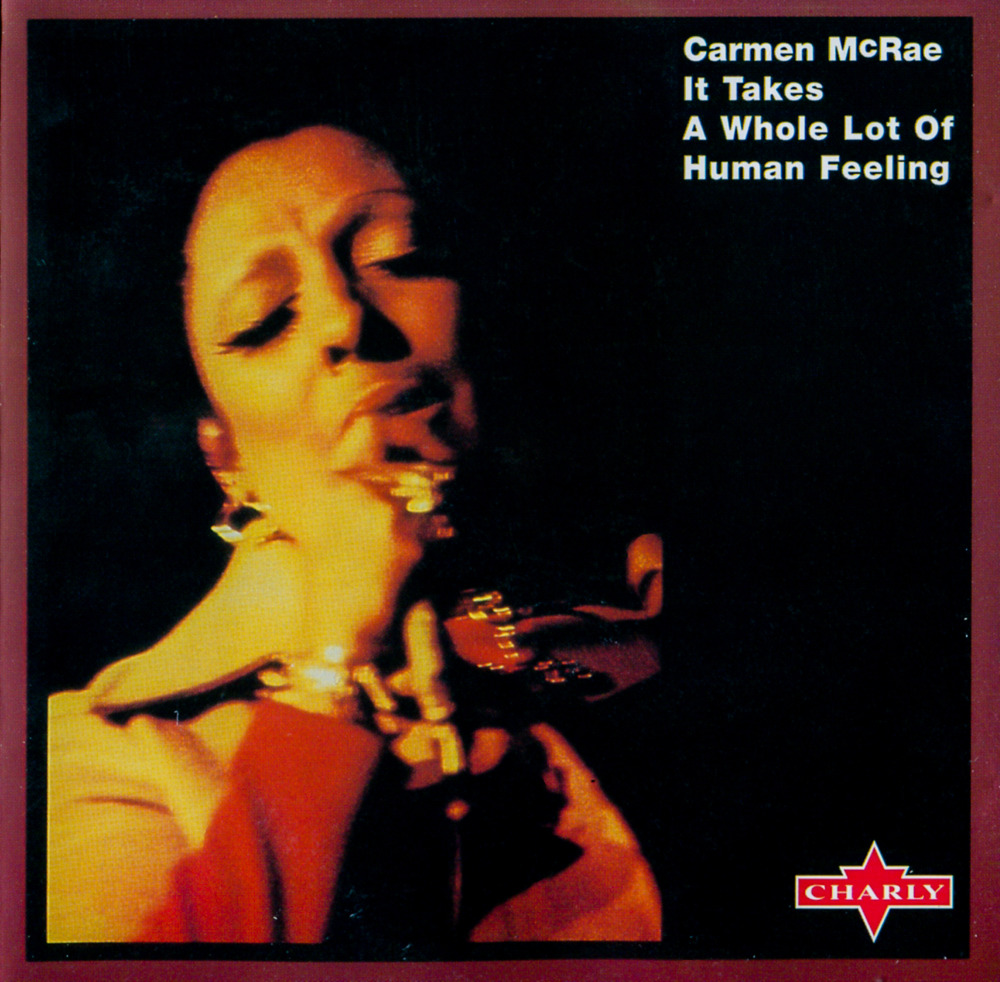
 View Artist