Song Meaning
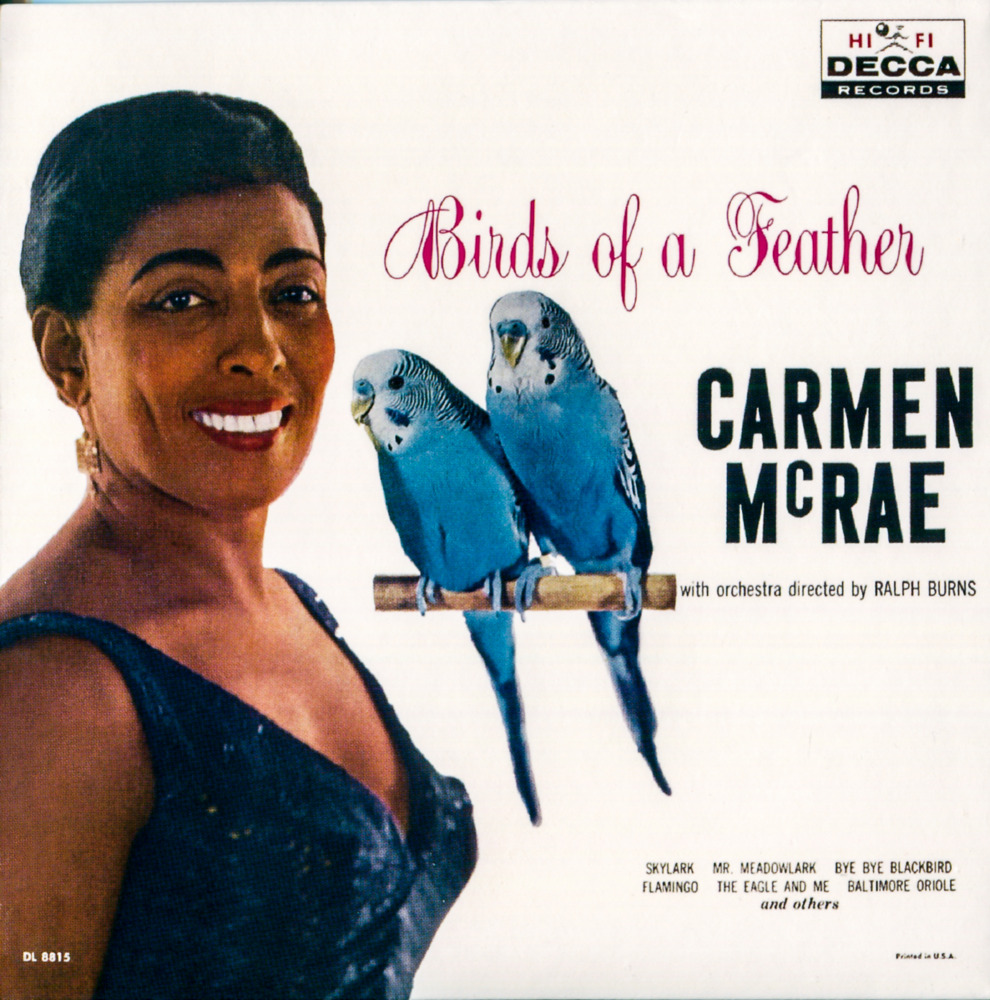
Carmen McRae's rendition of "Skylark" is less a performance and more a whispered plea to the cosmos, a desperate hope launched on the wings of a bird. The skylark itself becomes a symbol of freedom and perspective, a creature capable of surveying emotional landscapes inaccessible to the earthbound heart. The lyrics aren't simply about a lost love; they're about the speaker's fractured sense of place and belonging in the world following that loss. The repeated questioning of the skylark underscores this feeling of being adrift, seeking not just information but validation that the idealized space where love might still exist is, in fact, real.
The imagery within "Skylark" is particularly potent. The "meadow in the mist" and "valley green with spring" evoke a romanticized, almost dreamlike vision of reunion and healing. These idealized spaces contrast sharply with the speaker's present reality, a reality presumably marked by absence and longing. The request for the skylark to guide her "over the shadows and the rain / To a blossom covered lane" suggests a desire to escape pain and find solace in a world untouched by heartbreak. It's an inherently human desire to project our deepest longings onto the natural world, seeking answers and comfort in the patterns of nature.
McRae’s interpretation, imbued with her signature blend of sophistication and vulnerability, highlights the fragility at the core of the song's meaning. The skylark is tasked with an impossible mission: to locate not just a person, but a feeling, a memory, an idealized state of being. The lines about the "music in the night" – "wonderful music, faint as a will o' the wisp / Crazy as a loon, sad as a gypsy serenading the moon" – paint a picture of a world where beauty and melancholy are intertwined. This bittersweet understanding is crucial; the speaker isn't just searching for happiness, but for a place where even sadness can be beautiful, where the ache of loss is a familiar, almost comforting melody. Ultimately, the song's power lies in its acknowledgement of the human need for hope, even in the face of uncertainty, and the poignant act of entrusting that hope to something as ephemeral as a bird's song.
 View Artist