Song Meaning
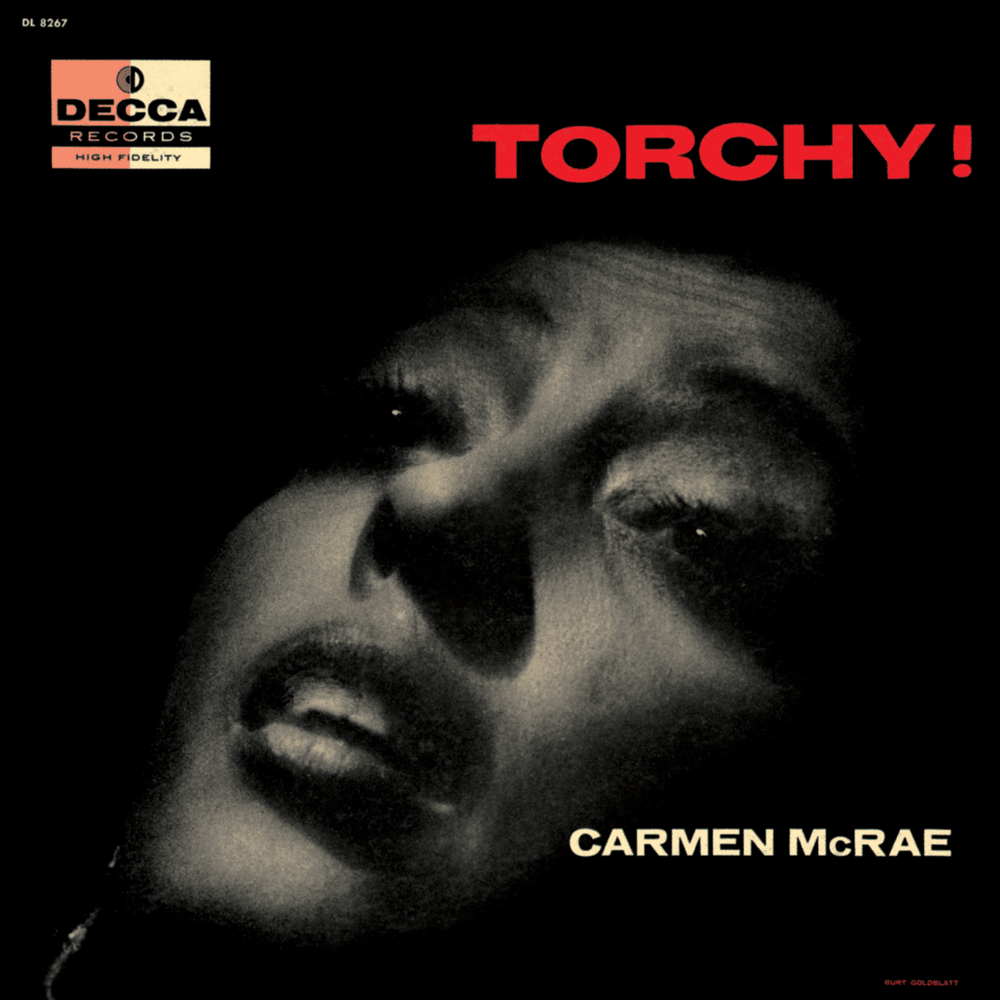
Carmen McRae's rendition of "Last Night When We Were Young" isn't just a stroll down memory lane; it’s a stark excavation of how quickly love's vibrant promise can fade into the sepia tones of regret. The song's genius lies in its deceptive simplicity. It paints a picture of youthful love as incandescent, a "star," an "unsung song," only to brutally juxtapose it with the "old" world of the present. McRae’s phrasing, imbued with a world-weariness that only she could deliver, underscores the central theme: the ephemeral nature of passion and the crushing weight of its absence. The lyrics analysis reveals how the past isn't just a different time, but a different *reality*, one where love felt not just possible but inevitable.
The emotional core of "Last Night When We Were Young" rests on the unbearable lightness of being…gone. The lyrics articulate the mind-bending realization that something as seemingly monumental as love can hinge on the smallest of moments—"a look, a kiss." It's a gut punch for anyone who's ever experienced the slow-motion horror of watching a relationship unravel, the agonizing awareness that a single daybreak can irrevocably alter the course of a shared history. McRae doesn't wallow in melodrama; instead, she offers a restrained, almost clinical observation of the wreckage. This restraint, paradoxically, amplifies the song's emotional impact.
Ultimately, the song meaning circles back to the psychological impact of lost love, the way it warps our perception of time and reality. The repetition of "ages ago, last night" isn't just a lyrical flourish; it's an acknowledgement of the profound chasm that separates the vibrant past from the desolate present. "Last Night When We Were Young" becomes more than just a romantic lament; it's a meditation on the human condition, on our capacity for both ecstatic joy and profound sorrow, and on the cruel irony that the things we cherish most are often the most fleeting.
 View Artist