Song Meaning
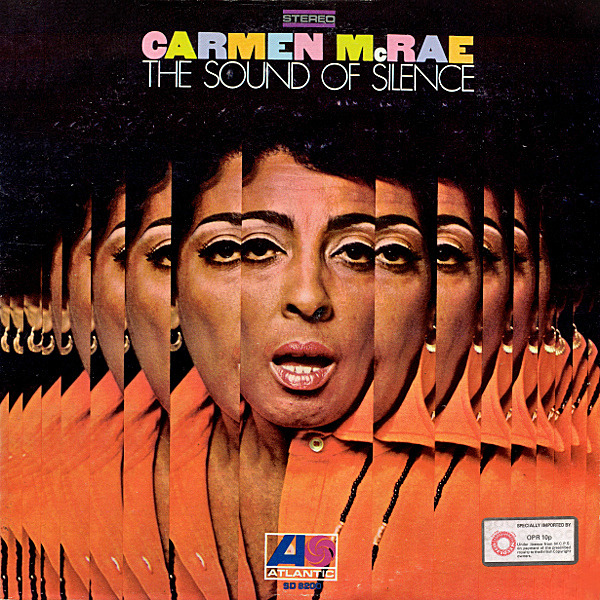
Carmen McRae's rendition of "Gloomy Sunday" doesn't simply narrate despair; it embodies it. The song, steeped in the ambiance of irreversible loss, initially presents itself as a suicide note, draped in the funereal imagery of "black coach of sorrow" and the futility of "little white flowers." McRae's interpretation, however, transcends morbid fascination, delving into the psychological landscape of grief so profound it blurs the line between life and death, reality and nightmare. The lyrics paint a portrait of a mind consumed by the absence of a loved one, where even angels offer no solace, and the speaker contemplates joining them in the afterlife. The darkness isn't just a feeling; it's a suffocating presence, a constant companion in slumberless hours. The brilliance of McRae's performance lies in her ability to convey this crushing weight without resorting to histrionics, instead offering a hauntingly intimate glimpse into the abyss. This is the song meaning distilled: not a celebration of death, but a raw, unflinching exploration of the devastating power of grief.
But then, a twist. The song shimmers with a sudden, desperate hope as the speaker awakens, confessing that the preceding verses were "only dreaming." The relief is palpable, yet tainted with lingering dread. The realization that the suicidal ideation was a nightmare offers a reprieve, but it's a fragile one. The "Gloomy Sunday" is not erased but merely relegated to the realm of dreams, suggesting the ever-present potential for despair to resurface. The lyrics then pivot, revealing the depth of longing that fueled the dream in the first place: "My heart is telling you how much I wanted you." This line underscores the song's core theme: the unbearable ache of absence and the mind's desperate attempt to reconcile with it, even in the darkest corners of the subconscious.
Ultimately, Carmen McRae's interpretation of "Gloomy Sunday" isn't just about suicidal thoughts; it's about the agonizing push and pull between despair and hope, between the desire to escape pain and the enduring power of love. The song's genius lies in its refusal to offer easy answers or tidy resolutions. Instead, it leaves us suspended in the liminal space between dream and reality, haunted by the knowledge that even in waking life, the shadows of "Gloomy Sunday" can still linger, threatening to engulf us whole. It is a testament to the song's profound psychological depth, amplified by McRae's emotive delivery, solidifying its place as a haunting masterpiece.
 View Artist