Song Meaning
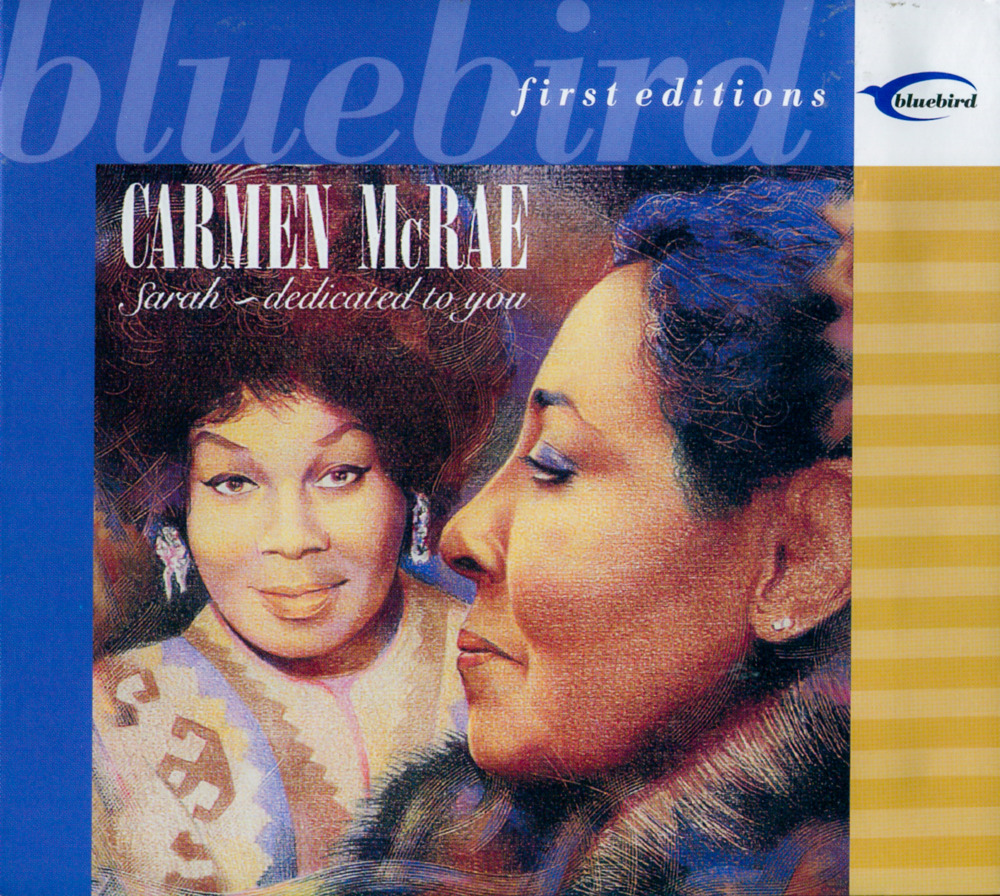
Carmen McRae's "Black Coffee" isn't just a song; it's a sonic portrait of desolate, caffeine-fueled heartbreak. The lyrics paint a stark picture of a woman trapped in the purgatory of lost love, her days and nights blurring into an endless cycle of insomnia, regret, and the bitter taste of black coffee. The opening lines immediately establish the mood – a profound loneliness and sleeplessness that drive the narrator to pace restlessly, punctuated only by the ritualistic consumption of her dark brew. The coffee, then, becomes more than just a beverage; it's a symbol of her sorrow, a "hand me down brew" that offers no real comfort, only a temporary distraction from the gaping hole left by her absent lover. McRae's interpretation adds layers of world-weariness to the already melancholy lyrics. She's not just singing about heartbreak; she's embodying it.
The song's middle verses delve deeper into the narrator's psychological state. She's "talking to the shadows," a sign of her increasing isolation and desperation. Time stretches and distorts, each moment an agonizing reminder of her abandonment. The mention of "Monday" and a "Sunday dream" suggests a life permanently stuck in the mundane, devoid of the joy and promise typically associated with weekends and love. There's a fatalistic acceptance of traditional gender roles – "a man is born to go a lovin', a woman's born to weep and fret" – which further underscores her sense of powerlessness and resignation. This isn't just about a broken heart; it's about a woman feeling trapped by societal expectations and her own emotional vulnerability. The coffee and cigarettes become crutches, pathetic attempts to self-soothe in the face of overwhelming despair.
Ultimately, "Black Coffee" is a haunting exploration of loneliness and dependency. The final verses reveal the toll that heartbreak has taken on the narrator's physical and mental well-being. Her nerves are shattered, her hair is turning gray, and all that remains is the endless cycle of drinking black coffee as she waits, perhaps in vain, for her lover's return. The song's power lies in its unflinching portrayal of raw emotion and the way it captures the quiet desperation of a woman grappling with loss. Carmen McRae's masterful delivery elevates the song beyond a simple lament; it becomes a timeless and universal expression of the pain of love gone wrong. The song meaning, therefore, transcends the specifics of the story, resonating with anyone who has experienced the isolating sting of heartbreak.
 View Artist