Song Meaning
The lyrics paint a picture of a deep-seated yearning for a specific kind of solitude, a desire to be like a child without a mother. This isn't about abandonment, but a deliberate fantasy of self-reliance, of gazing at the sea or embarking on a solitary journey. The narrator imagines a state of being unburdened by conventional emotional ties, a space for quiet contemplation and independent action.
However, this imagined independence is immediately met with a stark internal contradiction. The fantasy of being a motherless child quickly dissolves, revealing a profound fear of isolation. The lyrics explicitly state, "But my heart soon changes / If I become a child without a mother / I can't speak my love to anyone." This highlights a central tension: the allure of freedom versus the fundamental human need for connection and the ability to express love.
The most striking aspect of the writing is the direct, almost childlike repetition of the core fantasy: "Sometimes like a child without a mother." This phrase acts as a refrain, anchoring the song's emotional core. Yet, each iteration is followed by a contrasting thought, a sudden jolt back to reality. The imagined actions – writing a long letter, shouting loudly – are not expressions of freedom but seem to be desperate attempts to reach out, attempts that are immediately undercut by the fear of not being able to communicate love.
What makes these lyrics so effective is their raw honesty about conflicting desires. The narrator isn't just expressing sadness; they're wrestling with the paradox of wanting to be alone yet fearing the inability to connect. The simple, almost stark language amplifies this internal struggle, making the emotional vulnerability palpable and the ultimate realization of needing to speak love to someone deeply resonant.
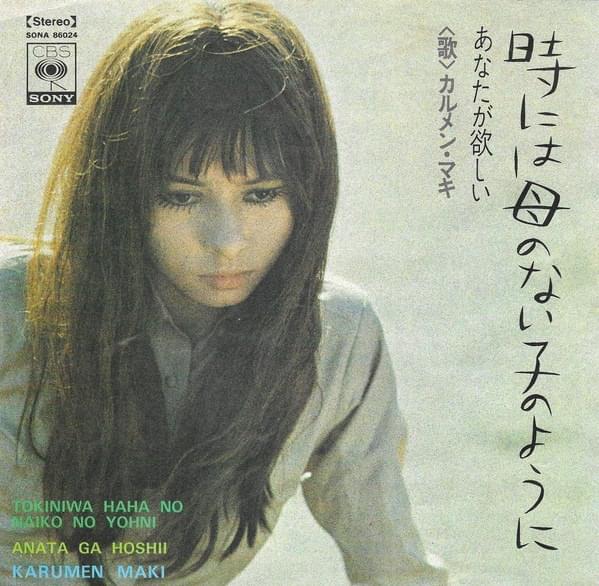
 View Artist