Song Meaning
The lyrics paint a picture of someone embracing an uncertain future, finding liberation not in a fixed endpoint, but in the process of discovery. There's a palpable sense of anticipation, a feeling that significant shifts are underway and that the narrator is ready to meet them head-on. The repeated phrase "these times are changing" acts as a mantra, reinforcing the idea that external forces are aligning with an internal desire for transformation. This isn't about escaping hardship, but about actively seeking a new path.
The central tension lies between acknowledging past missteps and embracing the potential for future growth. Phrases like "I know at times I act a little crazy" and "I've made mistakes" suggest a self-awareness that doesn't derail the forward momentum. Instead, these acknowledgments seem to fuel the desire for freedom, as if shedding the weight of past errors is a prerequisite for finding one's true place. The "silver lining" offers a hopeful counterpoint to these admissions, indicating a belief that positive outcomes are still within reach.
The most striking aspect of the writing is its persistent focus on the *act* of becoming, rather than the state of arrival. The repeated declaration "I wanna be free" is consistently paired with the active pursuit of belonging and self-discovery: "Free to find where I belong / Free to find my way." This emphasis on ongoing movement, on the journey itself, suggests that freedom is not a static condition but a dynamic state of being. The lyrics also subtly shift from "I wanna be free" to "'Cause I'm free," marking a powerful internal affirmation that the desired state is already being realized through the embrace of change.
This lyrical approach resonates because it captures a universal yearning for self-determination without resorting to platitudes. By grounding the desire for freedom in the acknowledgment of imperfection and the acceptance of uncertainty, the writing feels authentic. The repeated, almost incantatory, chorus allows the listener to internalize the narrator's hopeful outlook, making the abstract concept of freedom feel tangible and achievable through the simple act of moving forward.
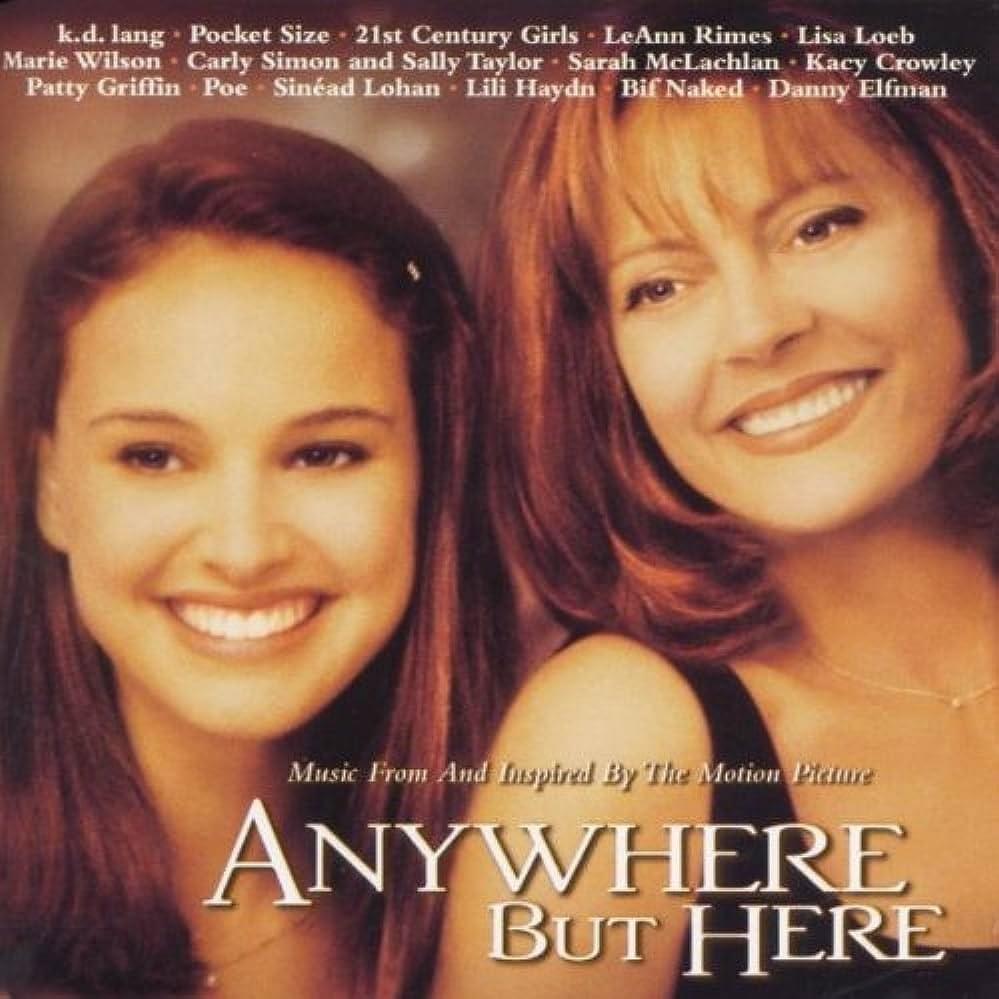
 View Artist