Song Meaning
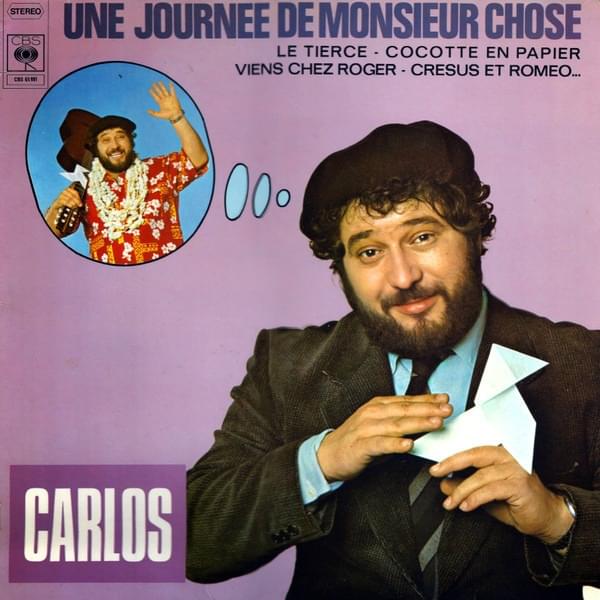
The lyrics paint a vivid picture of two individuals, Chose and Dupréau, yearning for a dramatic escape from their current mundane reality. The opening dialogue immediately grounds the listener in a sense of everyday struggle: a delayed raise, a sick aunt, lost phone numbers. This sets the stage for the explosive fantasy that follows, where they envision shedding their ordinary identities for something far more glamorous and extravagant. The contrast between the initial, almost apologetic tone of the phone call and the subsequent declaration of their new, opulent selves is stark and immediate.
The central tension lies in the stark dichotomy between their present circumstances and their desired future. They are not just looking for a minor improvement; they are envisioning a complete transformation. The repeated refrain, "On n's'ra plus Chose et Dupréau / On s'ra Crésus et Roméo" (We'll no longer be Chose and Dupréau / We'll be Crésus and Roméo), acts as a powerful incantation, a desperate wish to shed their old skins. This desire for a radical metamorphosis is fueled by a longing for wealth, status, and the attention that comes with it, as evidenced by their plans to "boire toute la Champagne" (drink all the Champagne) and "faire le bonheur de toutes ces dames" (make all these ladies happy).
The most striking element of the craft is the deliberate juxtaposition of their current, unremarkable names with legendary figures of wealth and romance. "Crésus" immediately evokes immense riches, while "Roméo" brings to mind passionate, albeit tragic, love. This symbolic renaming is not just about aspiration; it's about a complete redefinition of self, a rejection of their perceived mediocrity. The imagery of "cotillons, serpentins" (confetti, streamers) and "la tournée des grands ducs" (a spree of high-stakes gambling or revelry) further amplifies this fantasy of uninhibited celebration and grandiosity, a stark departure from the quiet anxieties of the opening.
Ultimately, the effectiveness of these lyrics lies in their relatable portrayal of escapism. The detailed, almost childlike, enumeration of extravagant acts—giving "pourboires de dix sacs" (tips of ten bags) and drinking "un whisky par ci et un whisky-coca par là" (a whisky here and a whisky-coke there)—grounds the fantasy in tangible, albeit exaggerated, desires. It captures that universal impulse to break free from routine and imagine a life of effortless abundance and admiration, making the listener keenly aware of the gulf between their own everyday realities and the dazzling, albeit imagined, world Chose and Dupréau are so desperately trying to inhabit.