Song Meaning
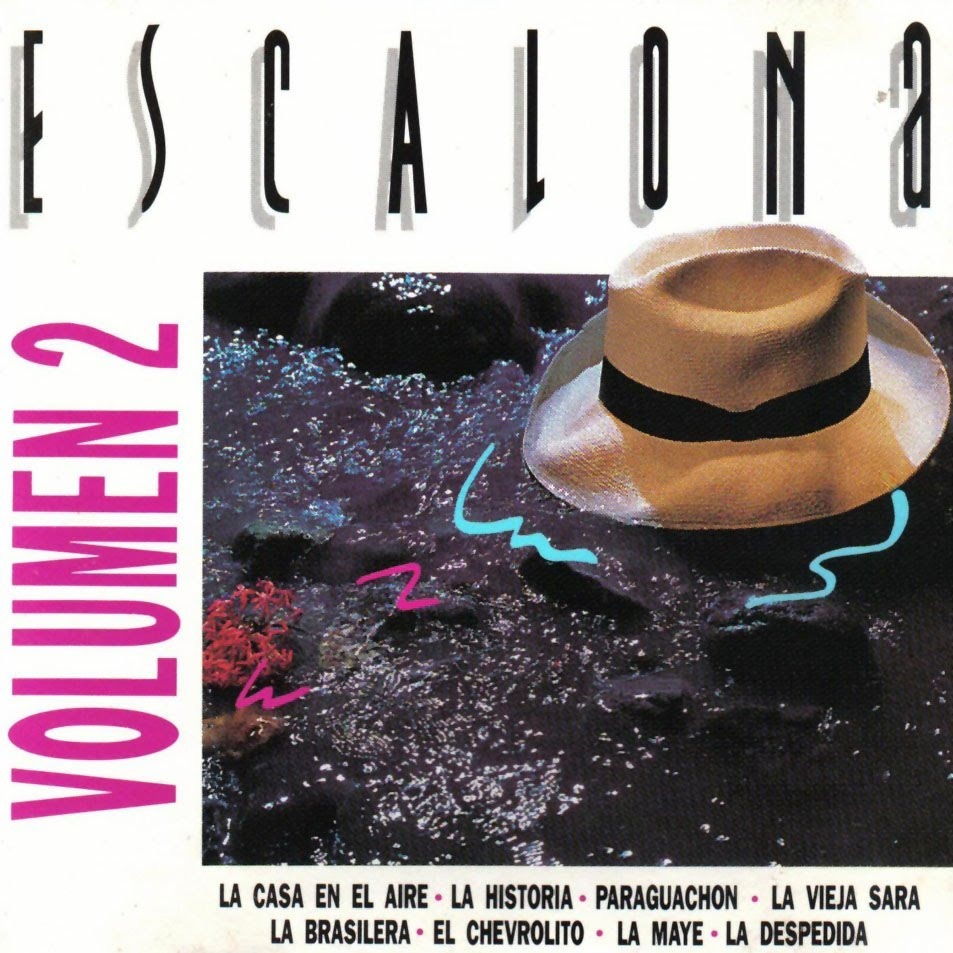
{"song_id": 15776186, "meaning": "Carlos Vives' \"La Vieja Sara\" isn't just a folksy tune; it's a masterclass in passive-aggressive charm, wrapped in the warm rhythms of Colombian tradition. On the surface, the song appears to be a simple gesture of goodwill – a promised visit and a gift for the titular 'Vieja Sara' (Old Sara). The lyrics paint a picture of a man, presumably Vives himself, making the journey to a remote village in the Serranía to see the mother of his friend Emiliano. He brings a 'corte blanco con su collar' (white fabric with a necklace) so she can make 'traje bonito' (a beautiful dress). It's an offering seemingly designed to ingratiate himself. However, a closer look reveals a subtext of subtle confrontation.
The repeated lines, 'Pa´que no diga de mí / Que yo la tengo olvidada' (So she doesn't say about me / That I have forgotten her), expose a layer of defensiveness. There's an anxiety about Sara's perception of him, a need to prove his loyalty and thoughtfulness. The gift, meticulously described as coming from 'el compadre de su hijo Emiliano' (the friend of her son Emiliano) feels less like a selfless act and more like a calculated move to manage Sara's opinion. The lyrics 'Pa´ve si me va a repetir / Todo lo que ha dicho de mí' (To see if she will repeat to me / Everything she has said about me) further solidify this sense of underlying tension. He's not just visiting out of pure affection; he's there to settle scores, albeit in a roundabout way.
The song's emotional core lies in the push and pull between genuine affection and a need for validation. Vives acknowledges Sara's doubts about his enduring character ('La vieja Sara se está pensando / Que dentro e´ mi pecho cabe el olvido' - Old Sara is thinking that forgetfulness fits inside my chest), but insists, 'Deja que pasen los años / Que yo sigo siendo el mismo' (Let the years pass / I am still the same). This declaration, repeated throughout the song, becomes a mantra, a way of reassuring both Sara and himself. The acknowledgment of aging ('Un poco viejo me estoy poniendo' - I am getting a little old) adds a layer of vulnerability, suggesting that the need for connection and approval becomes even more pressing with time. Ultimately, \"La Vieja Sara\" is a complex portrait of relationships, memory, and the subtle power dynamics that shape our interactions, all set against the vibrant backdrop of Colombian folk music."}
 View Artist