Song Meaning
Carlos Vives' "La Mala Suerte" isn't just a song; it's a poignant farewell disguised as a folk tune, steeped in the fatalistic acceptance that permeates certain strains of Latin American music. The immediate invocation of Chema Maestre and Arturo Molina suggests a circle of intimates, those left behind as the narrator announces his departure for La Guajira, driven by 'mala suerte' – bad luck – that clings to him like a shadow. It’s a geographical cure sought not in optimism, but in resignation. The lyrics hint that death awaits him there, a stark acknowledgement that underscores the depth of his despair. The Guajira is not presented as a promised land but as a final destination.
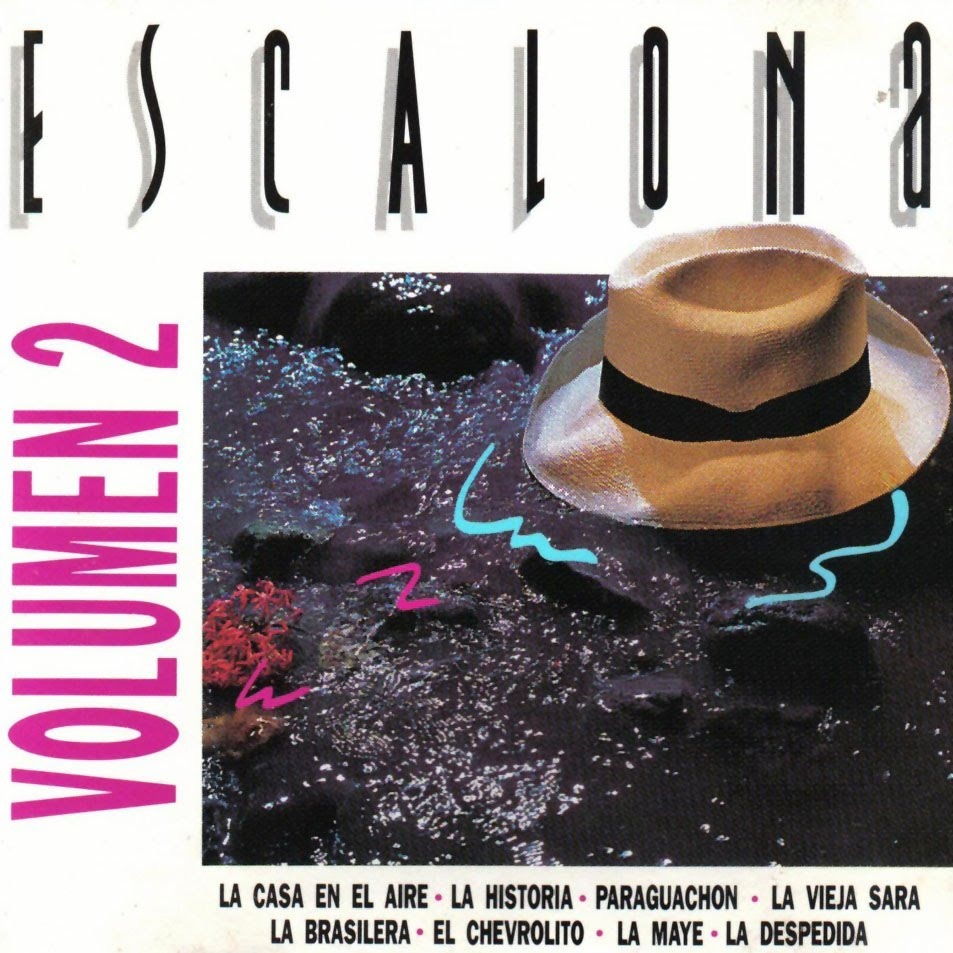
The cyclical nature of the verses, particularly the repeated references to being remembered in 'parrandas' (festivities) and alongside the deceased Escalona, highlights a cultural acceptance of death as an inevitable part of life's continuum. There is a call for remembrance, not in somber tones, but within the lively context of celebration, a distinctly Latin American way of honoring the departed. The narrator anticipates his memorialization, almost scripting his own eulogy, demonstrating a desire to control his narrative even in death.
The plea to Dina Luz, described as the most beautiful woman of Villanueva, to visit his grave and adorn it with fresh flowers, adds a layer of romantic longing to the song's melancholic core. It's a bittersweet request, a final connection to beauty and life as he embraces his fate. The recurring line about Escalona's death serves as a stark reminder of mortality, but also as a comforting thought that he will be in good company. "La Mala Suerte" is less about escaping bad luck and more about facing mortality with grace, acceptance, and a touch of nostalgic yearning.
 View Artist