Song Meaning
Carlos Vives' "La Hamaca Grande" is less a song and more an open invitation to experience the vibrant heart of Colombian musical heritage. It’s a journey, a pilgrimage even, fueled by Vives' signature blend of contemporary pop sensibility and deep respect for his nation's folkloric roots. The song meaning isn't buried in complex metaphors, but rather blossoms through its direct, celebratory embrace of specific cultural touchstones. Vives isn't just singing; he's name-checking the architects of a musical landscape. The lyrics act as a roll call of honor, invoking figures like Adolfo Pacheco and Toño Fernandez, ensuring their legacies resonate within the modern ear. It's a conscious act of preservation, a vibrant lesson in cultural history set to a compelling rhythm.
At the center of this musical tapestry is the "Hamaca Grande" itself—a symbol that transcends mere relaxation. Larger than the "cerro e'Maco" (a significant hill), this hammock becomes a communal space, a shared experience where the people of Valledupar can gather and sing. It represents unity, a collective swaying to the rhythm of their shared identity. This isn't just about physical rest; it's about finding solace and strength in cultural connection. The lyrics emphasize the importance of intergenerational knowledge, highlighting the role of the "indio Parofo" and his "vieja gaita" in preserving ancient stories.
Ultimately, "La Hamaca Grande" is an assertion of cultural pride. It's a deliberate act of myth-making, aligning itself with legendary figures like Francisco el Hombre, a mythical musician of Colombian folklore. The lyrics analysis reveals a desire to not only honor the past but to actively weave it into the present, ensuring that the music, stories, and spirit of Colombia continue to thrive. Vives isn't just making music; he's building a cultural bridge, inviting listeners to swing along and become part of the ongoing narrative.
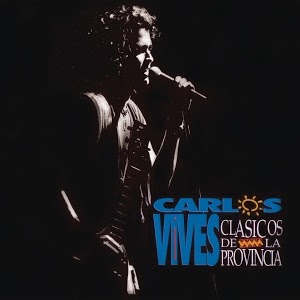
 View Artist