Song Meaning
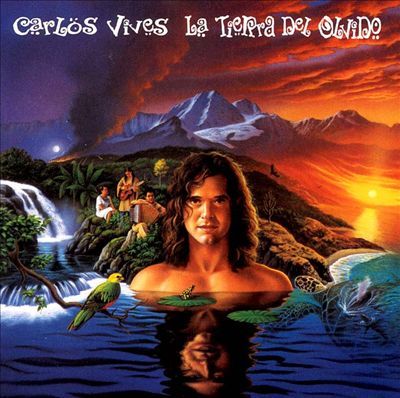
Carlos Vives' "Deebo" isn't a radio-ready single aiming for chart domination; it's a potent, spoken-word dedication. Stripped of conventional song structure, it serves as a direct homage, a musical act of remembrance. The lyrics function as a roll call of honor, specifically acknowledging individuals who have devoted themselves to the fight for respect, dignity, and the right to non-integration for the original inhabitants of these "marvelous but forgotten lands." The pointed phrase "no integración" suggests a resistance to forced assimilation, a desire to maintain cultural autonomy rather than be absorbed into a dominant culture that disregards their unique identity. This is not a passive acceptance of inclusion, but an active defense of distinct heritage. It’s a stance that resonates deeply within post-colonial contexts throughout Latin America. The acknowledgement of Gerardo and Alicia Reichel by name transforms the song into a personal and intimate tribute. Their inclusion elevates the work beyond a general statement of support to a heartfelt expression of gratitude for specific acts of service and advocacy. Vives doesn't present himself as a hero, but as a messenger, amplifying the voices of those who have dedicated their lives to a crucial cause. Furthermore, the dedication to "las nuevas generaciones" signals a passing of the torch, a call to action for younger people to continue the struggle for cultural preservation and justice. "Deebo" becomes not just a memorial, but a forward-looking anthem of empowerment.
 View Artist