Song Meaning
Carlos Vives' "El Duro - El Original" isn't just a song; it's a defiant manifesto disguised as a catchy tune. The track, stripped down to its core, is an unapologetic anthem for local music, a David-versus-Goliath cry against the forces threatening its existence. Vives isn't merely singing about music; he's advocating for its survival in a world saturated with homogenized sounds and rampant piracy.
The lyrics paint a vivid picture: "El duro, el original" – the real deal, the authentic sound of his people – is available for a pittance, yet its very existence is precarious. The song's core message centers on the ethics of consumption. Vives directly addresses the listener, imploring them not to settle for less, not to be fooled by imitations. The lines about pirated copies and illegal downloads aren't just a plea for financial support; they're a stark warning about the potential death of cultural identity. "No habrá plata pa' la leche / Ni pa' volver a grabar" – there won't be money for milk, nor to record again. The stark reality is that art requires sustenance, and its devaluation has real-world consequences.
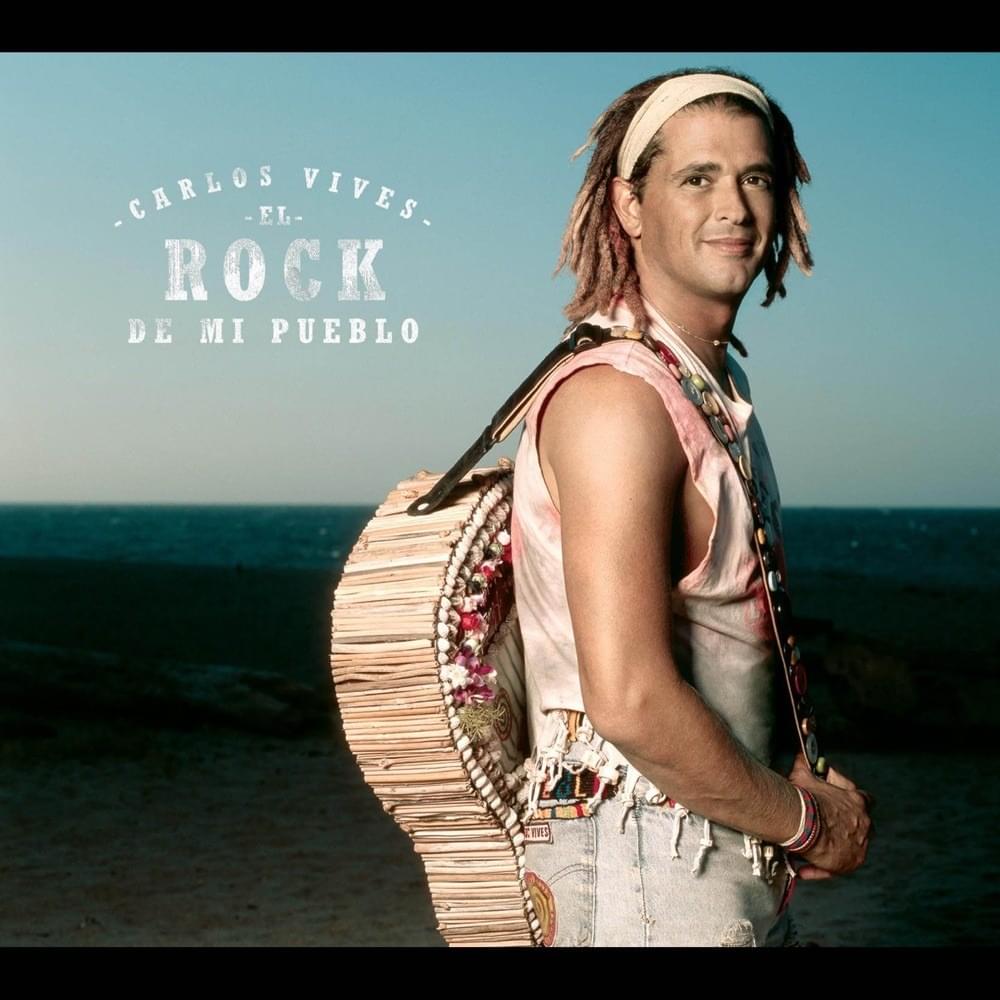
Ultimately, "El Duro - El Original" transcends its immediate context. It speaks to the universal struggle of artists everywhere who fight to maintain their integrity and authenticity in the face of commercial pressures. The song’s genius lies in its simplicity, its ability to transform a local concern into a globally resonant message about cultural preservation and the importance of supporting genuine artistic expression. Vives uses the raw, unpolished sound itself as a weapon, a reminder that the 'rock de mi pueblo' is worth more than its weight in digital downloads.
 View Artist