Song Meaning
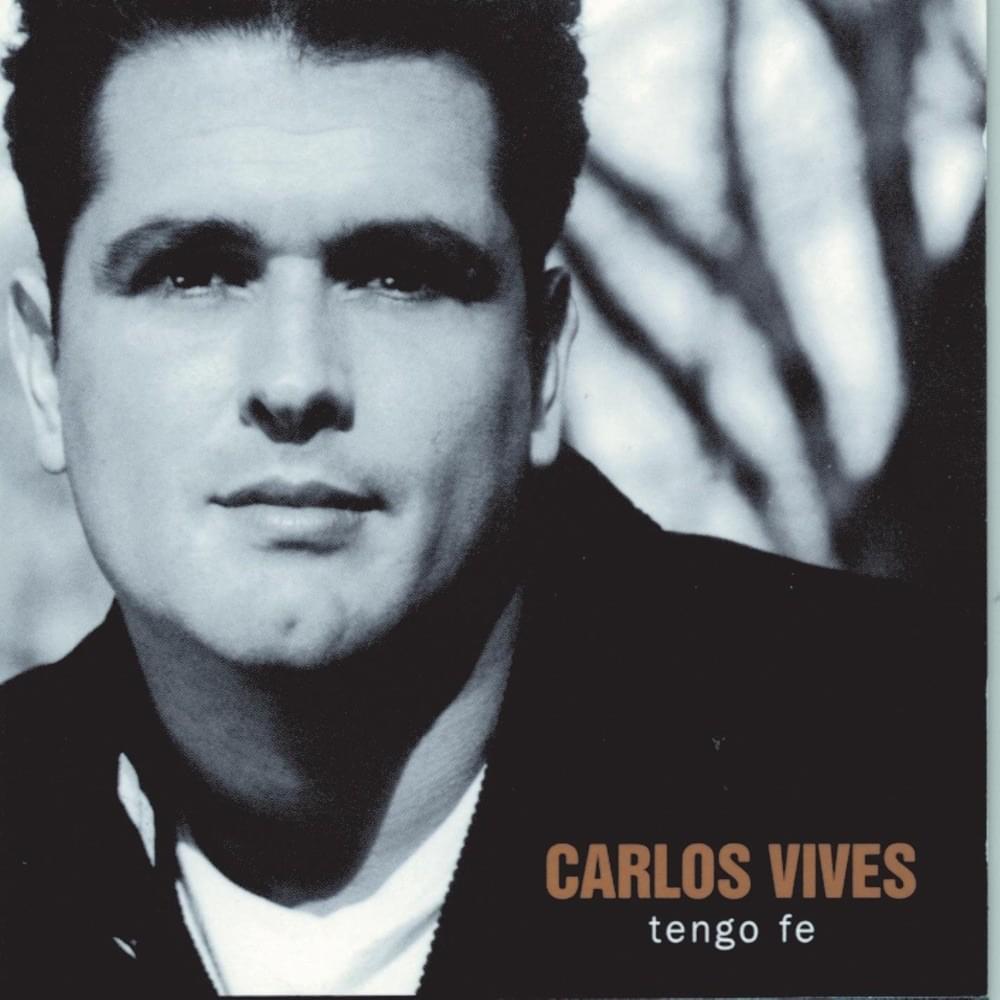
Carlos Vives's "Cumbia Americana" isn't just a song; it's a vibrant invocation, a beckoning towards a deeply rooted sense of place and belonging. The lyrics paint a picture of Colombia, specifically referencing the Magdalena River and the town of Monpox, evoking a sense of homecoming and cultural pride. The "brilliant April moon" and the "fragrance of alhelí" aren't merely descriptive; they are sensory triggers designed to unlock a shared memory, a collective identity tied to the land. It's an invitation to reconnect with forgotten roots. The name "Renunciación" (Resignation), addressed with a comforting "No llores" (Don't cry), hints at a struggle against apathy or despair, urging a return to joy and celebration through the upcoming fiestas. The promise of adornment with stars and the image of holding Renunciación's heart suggests a restorative, almost spiritual connection. The song subtly pushes back against the erasure of cultural identity by reminding listeners of their heritage.
The repeated lines "Lleva tu pareja / A la fiesta de la iguana / Luce tu pollera / Con la cumbia americana" act as a chorus, a rhythmic call to action. The 'pollera', a traditional skirt, becomes a symbol of cultural expression, actively worn and displayed. The "fiesta de la iguana" (iguana party) is more than a literal event; it is symbolic of unique local traditions, a vibrant social gathering, and a celebration of life. The song cleverly intertwines personal emotions with collective identity.
Ultimately, the core of "Cumbia Americana" and its song meaning lies in its yearning for a return to origins. Vives sings of wanting to be reborn in this "forgotten land," a sentiment that resonates with anyone who has felt disconnected from their heritage. The lyrics suggest a profound need to reclaim and celebrate one's roots, to find solace and strength in cultural identity. The "cumbia americana" itself is presented as a balm for sorrow, a way to bridge the gap between past and present, individual and community. It's more than just a genre; it's a vehicle for cultural preservation and a powerful expression of belonging.
 View Artist