Song Meaning
The lyrics paint a picture of a world where established sources of guidance and belief are failing. The preacher is bored, magic tricks are revealed, and even witches doubt their power, suggesting a widespread disillusionment. This sense of lost certainty is amplified by the idea that even fundamental opposites like Yin and Yang can't provide clear direction, and the narrator suggests dancing as a desperate, almost ritualistic, response to this void. It’s a scene where the old structures are crumbling.
The central tension arises from this decay of traditional authority and the human need for meaning. The oracle is clueless, palm lines offer no answers, and people resort to invented talismans when faith wanes. The shaman's fire is extinguished, and a crystal ball is silent, further emphasizing a loss of mystical or prophetic insight. This leaves a void, a feeling of being adrift, even as the younger generation dreams of an ultimate escape like Nirvana.
The recurring image of "Dios, pero Dios / Sigue siendo tu anzuelo / Colgando del cielo" is particularly striking. It suggests that even in this landscape of doubt and failed prophecy, a divine presence remains, but not as a savior or guide. Instead, it's presented as a lure, a dangling temptation or perhaps a trap, suspended precariously from above. This divine entity is the persistent, yet potentially deceptive, hook in a world that can no longer trust its own compasses.
This creates a profound sense of unease and ambiguity. The narrator observes the blurring lines between good and evil, a "happy blind man in the dark," and questions the nature of truth when lies can masquerade as reality. The lyrics effectively capture a feeling of existential uncertainty, where the familiar anchors are gone, and the only constant is a divine presence that might be more of a snare than a solace, leaving the listener to ponder the precariousness of belief and perception.
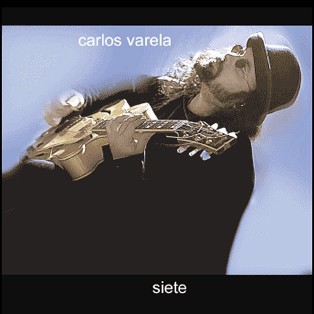
 View Artist