Song Meaning
The narrator paints a picture of a life spent wandering, searching through the "streets of life" for something specific: the beauty of a particular person's walk. This isn't just a casual observation; it's a deep-seated desire to share a path, to "walk together." The initial verses establish a sense of searching and longing, setting the stage for a powerful plea.
The core tension lies in the contrast between the narrator's solitary journey and the yearning for shared experience. The repeated phrase "Déjame soñarte, déjame llevarte" (Let me dream of you, let me take you) highlights this push and pull between internal fantasy and the desire for external connection. This leads directly to the central invitation: "Vamos a intentar la libertad" (Let's try freedom), suggesting that true freedom is found not in solitude, but in shared pursuit.
The most striking element is the insistent, almost urgent call to "Escapémonos" (Let's escape). This isn't a passive wish; it's an active proposition for a shared future, "a vivir, hasta el fin" (to live, until the end) and "sin temor, solos tu y yo" (without fear, just you and I). The lyrics explicitly state the motivation: "Que se escribe nuestra historia que escapamos por amor" (Our story is written, we escape for love), grounding the grand idea of escape in a deeply personal, romantic impulse.
This song hits hard because it transforms a potentially melancholic theme of searching into an optimistic, action-oriented anthem for love. The simple, direct language and the powerful repetition of the chorus create an infectious sense of hope and determination. It suggests that the ultimate destination isn't a place, but a shared state of being, found by choosing to escape the mundane "streets of life" together, driven by love.
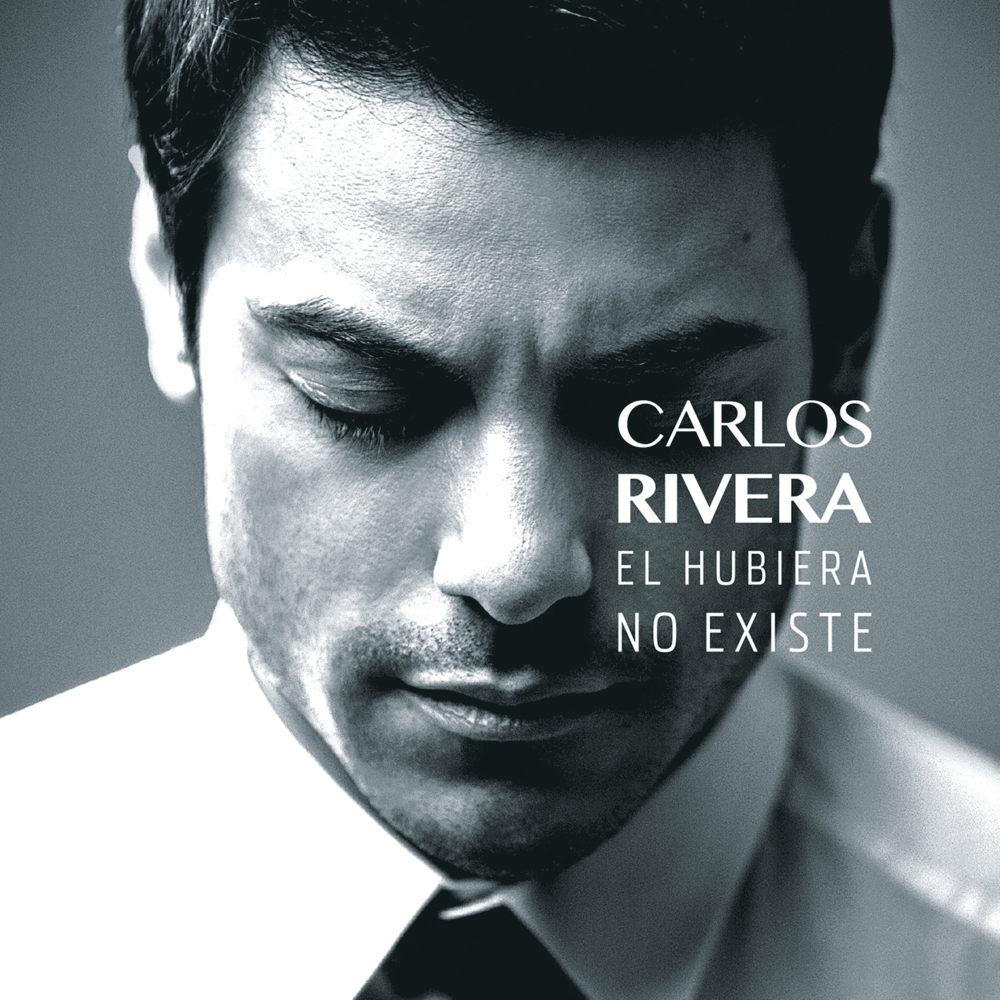
 View Artist