Song Meaning
The lyrics open with a direct address to a stork, a figure traditionally associated with bringing babies. The narrator notes the stork's absence, both from the rooftops and the sky, creating an immediate sense of loss and questioning. This initial greeting, "Olá cegonha, gosto de ti," quickly shifts to a poignant observation: "Que aconteceu?" The memory of the stork's supposed task – bringing babies from afar – is juxtaposed with a stark reality: "Mas os homens vão crescendo / E as cegonhas a morrer." This contrast highlights a perceived decline, not just in the stork's presence but perhaps in the very concept it represents.
The central tension arises from the fading of childhood belief in the face of adult realities. The narrator recalls a time when the stork's role was accepted, a comforting narrative of arrival. However, this memory is now tinged with the melancholic realization that "Ainda me lembro, não pode ser." The transition from "Olá" to "Adeus cegonha" marks a definitive farewell, not just to the bird but to the innocence and wonder it embodied. The repeated phrase "E a gente sonha / É bom sonhar" underscores the value placed on these dreams, even as the narrator acknowledges their ephemeral nature.
The most striking aspect of the craft is the personification of the stork and the direct, almost conversational, plea embedded in the farewell. The narrator entrusts a "menino, que é pequenino" to the stork, urging "toma cuidado." This isn't just a literal request for safe passage for a child; it seems to represent a plea to protect the fragile essence of childhood or new beginnings. The repetition of "toma cuidado" emphasizes the vulnerability of this precious cargo, whatever it may represent in the narrator's evolving understanding of the world.
Ultimately, these lyrics resonate because they capture the bittersweet process of growing up and losing certain magical beliefs. The writing effectively uses the familiar myth of the stork to explore the transition from childhood wonder to adult pragmatism. The gentle, almost wistful tone, combined with the stark imagery of dying storks and growing men, creates a powerful emotional effect, making the reader reflect on the innocence that fades with time and experience.
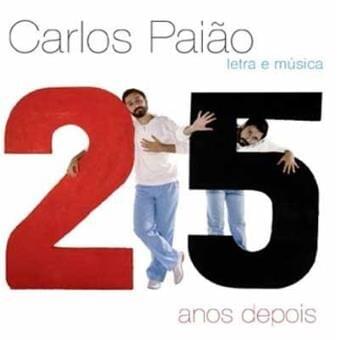
 View Artist