Song Meaning
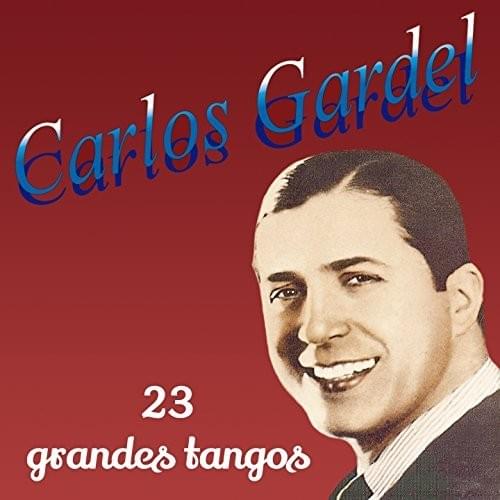
Carlos Gardel's "Rencor" isn't just a tango; it's a raw, psychological portrait of a man wrestling with betrayal and the corrosive power of resentment. The lyrics paint a stark picture of a soul consumed by 'rencor' – a deep-seated rancor – begging for release from the emotional prison built by a past love's 'cobarde traicion' (cowardly betrayal). It’s a plea to the titular 'Rencor' itself, personified as an old companion, to relinquish its hold. The singer acknowledges the all-consuming nature of this hatred, recognizing it as a force that 'amarga la vida como una condena' (bitters life like a sentence). The visceral imagery – 'herida abierta' (open wound) flooding his chest with rage – speaks to the profound damage inflicted, suggesting a trauma that continues to fester. His senses are poisoned; his eyes and lips, once instruments of love, now recoil in disgust.
The paradoxical core of "Rencor" lies in the inextricable link between intense love and equally intense hatred. The singer admits that his hatred is as strong as his love once was, highlighting the devastating power of a bond broken. This duality raises questions about the nature of human attachment and the thin line separating adoration from animosity. The lyrics delve into the desire for retribution, fueled by the pain of a love destroyed and the gnawing doubt within his chest. He dreams of a future where he can unleash his contempt upon his betrayer, finding a twisted satisfaction in her downfall. This reveals the darker side of grief, where vengeance becomes a desperate attempt to regain control and find closure.
However, the song's most haunting line exposes the true complexity of the singer's inner turmoil: 'Rencor: tengo miedo de que seas amor!' (Rancor: I'm afraid that you are love!). This chilling confession suggests that the 'rencor' isn't a separate entity, but a distorted manifestation of the love that still lingers. It implies that the singer fears the possibility that his hatred is merely a mask for unresolved feelings, a defense mechanism against the vulnerability of loving again. This fear speaks to the core of the human condition – the struggle to reconcile conflicting emotions and the terrifying prospect of facing the truth about ourselves. "Rencor" is more than just a tango of heartbreak; it's an unflinching exploration of the psychological depths of betrayal, resentment, and the enduring power of love, even in its most twisted forms.
 View Artist