Song Meaning
Carlos Gardel's "Milonga Sentimental" is less a lament and more a defiant act of emotional survival, a tango-infused assertion of self in the face of heartbreak. The song, penned with Sebastian Piana's music and Homero Manzi's lyrics, isn't about wallowing; it's about actively choosing to sing rather than weep. This isn't mere stoicism, but a conscious decision to reframe pain into something productive, a milonga born from absence. The singer acknowledges the sudden evaporation of love, the unexplained departure that leaves a void. But instead of collapsing into despair, there's a calculated acceptance – a rationalization that chalks it up to 'traición de mujer' – perhaps a defense mechanism to avoid deeper introspection. It's easier to blame the archetype than confront the specific wound.
The repeated invocation of 'Varon' (man) exposes the raw nerve of the song. The speaker overflows with goodwill, forgiveness, even a bizarre, self-abasing willingness to be at the feet of the departed. This isn't necessarily submissive, but rather a twisted form of power. To forgive so readily, to offer such unconditional positive regard after being wronged, positions the speaker as the morally superior party. It's a power play disguised as vulnerability, a subtle indictment of the man's actions. The lyrics hint at the ease of violent retribution – 'Es facil pegar un tajo' – but quickly dismiss it. Physical revenge is a base impulse, while the real challenge lies in severing the emotional ties that bind.
The final verses cement the song's complex emotional landscape. The 'milonga de evocación' becomes a weapon, something to keep from the departed lover, a private ritual of remembrance and defiance. The imagery of night and day, of fleeting returns and inevitable departures, encapsulates the push-pull dynamic of lingering attachment. The closing lines – 'Pa' decirte que si, a veces / O pa' gritarte que no' – reveal the enduring ambivalence at the heart of "Milonga Sentimental." It's a song of negotiation, a conversation with absence, a refusal to be silenced by heartbreak. The milonga becomes both a monument to lost love and a declaration of emotional independence.
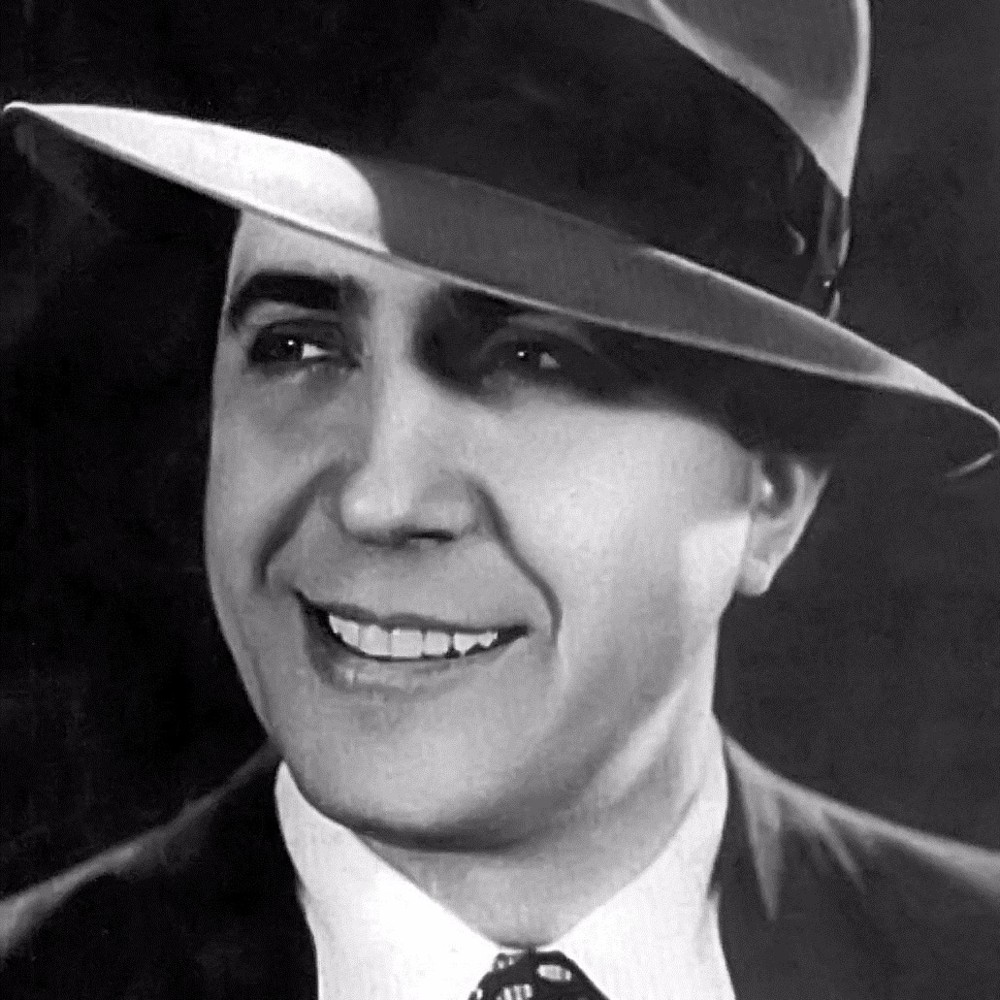
 View Artist