Song Meaning
Carlos Gardel's "La última Copa" isn't just a tango; it's a raw, late-night confession steeped in heartbreak and the bitter acceptance of irreversible loss. The song meaning hinges on the image of a final toast, a desperate attempt to drown sorrow in champagne as life slips away, irrevocably tied to a woman's indifference. It's a scene painted with the stark colors of a barroom requiem, where each glass raised is a painful acknowledgment of love unrequited and a future irrevocably altered. The repeated plea, "Eche amigo nomás écheme y llene / Hasta el borde la copa de champán," becomes a mantra of despair, a futile attempt to numb the ache of a love that was never valued.
The lyrics reveal a man grappling with the agonizing realization that his affection was not only unreturned but also seemingly unnoticed. The line, "Que no supo mi amor nunca apreciar," cuts deep, highlighting the core wound: the woman he loved failed to recognize the depth and sincerity of his feelings. This isn't just about romantic rejection; it's about the erasure of his emotional self, the feeling of being rendered invisible in the eyes of the one he adored. The repeated chorus, confessing unwavering love and the simultaneous act of self-destruction through intoxication, underscores the tragic paradox at the heart of the song. He is both clinging to hope and succumbing to despair, a duality that defines the tango's emotional landscape.
"La última Copa" transcends a simple tale of heartbreak; it's a meditation on the destructive power of unrequited love and the lengths to which a person will go to escape emotional pain. The final verses introduce a particularly poignant layer of anguish: the image of the woman, oblivious to his suffering, sharing a toast and a kiss with another. This vision is not merely jealousy; it's the crushing realization of complete replacement, the definitive end of any lingering hope. The tango, therefore, becomes a vessel for profound grief, a lament for a life irrevocably changed by a love that was never meant to be.
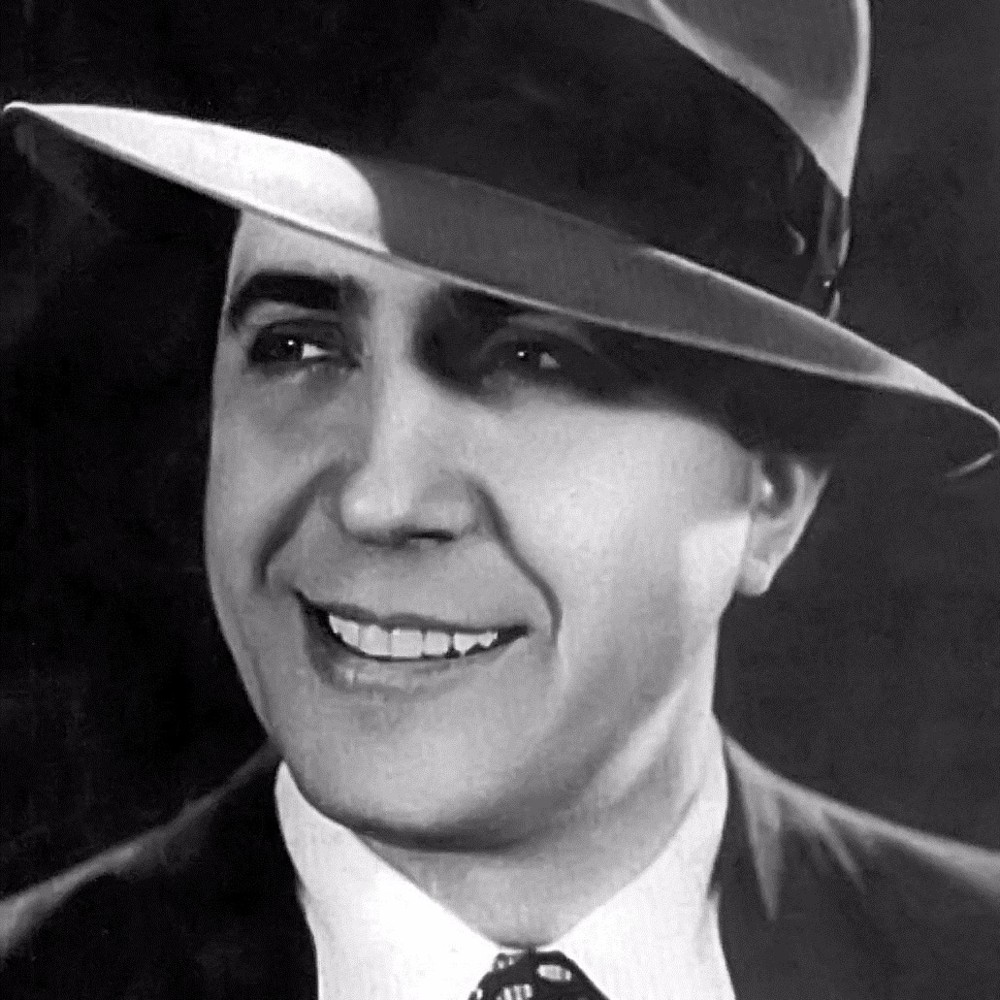
 View Artist