Song Meaning
Carlos Gardel's "Buenos Aires" isn't just a love letter to Argentina's capital; it's a complex portrait painted with the stark contrasts of joy and despair that define the city's soul. The opening lines, declaring Buenos Aires as the "Queen of the Plata," immediately establish a sense of grandeur and affection. However, the lyrics quickly delve into a darker, more conflicted relationship. Gardel sings of escaping "fever and orgies," seeking solace in the memory of his homeland to soothe his bitterness, suggesting a city that can both intoxicate and disillusion. It's a push-and-pull dynamic familiar to anyone who's ever loved a place with all its flaws.
The song's brilliance lies in its refusal to romanticize Buenos Aires. Gardel juxtaposes the glamour of "porteño nights" – the champagne, the laughter, the fleeting romances – with the harsh realities of poverty and exploitation. The image of a young girl begging for bread outside a milonga (a tango dance hall) serves as a stark reminder of the social inequalities that simmer beneath the surface of the city's vibrant nightlife. This contrast is further emphasized by the melancholic sound of the bandoneón, which Gardel says "always sobs a sorrow", and the weeping violin, which paints the "criolla soul."
Ultimately, "Buenos Aires" is a testament to the enduring power of place. Despite its contradictions and hardships, the city remains a source of profound connection and identity. The final verse encapsulates this sentiment perfectly: even in absence, Buenos Aires demands love and loyalty, a sentiment so strong that Gardel would rather die than forget it. The song captures a feeling of saudade – a longing for something that is both present and absent, beautiful and painful – that resonates deeply with the Argentine spirit and anyone who carries a complicated love for their own hometown.
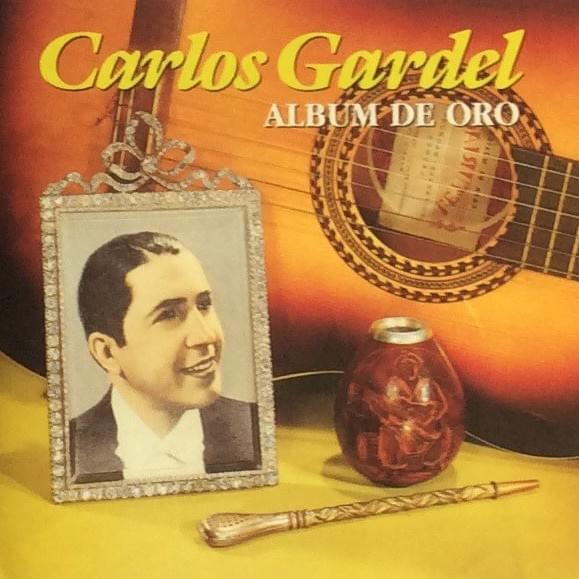
 View Artist