Song Meaning
Carlos Gardel's "A Mi Madre" is a stark, emotionally brutal tango that dissects the hollow nature of superficial relationships against the unwavering devotion of a mother. The song isn't just a sentimental ode; it's a confession of profound regret, delivered with the raw pathos that defines Gardel's iconic vocal style. The lyrics paint a picture of a life squandered on fleeting pleasures and transactional friendships, fueled by wealth that ultimately proves meaningless. The protagonist acknowledges his neglect, admitting he forgot his mother while indulging in vice and surrounded by sycophants. The refrain "Pero a mi madre, no" (But not my mother) is a recurring indictment of his own failings. He lavished attention and resources on everyone but the one person who truly mattered. This isn't just about filial piety; it’s about a fundamental misplacement of values. The song subtly suggests a psychological void within the protagonist, a desperate need for validation that he sought in fleeting, superficial connections rather than in the unconditional love offered by his mother.
The emotional core of "A Mi Madre" hits with full force as the protagonist faces death. The fair-weather friends, drawn by his wealth, vanish as quickly as it did. The lyrics become increasingly desperate. Abandoned and alone, the protagonist laments his wasted life, the pain amplified by the realization that his mother was the only constant, the only genuine love in his world. Her presence at his deathbed isn't portrayed as a reward for good behavior, but rather as a testament to the enduring power of maternal love, a love that transcends even the most egregious neglect.
The true genius of "A Mi Madre" lies in its unflinching honesty. It's a portrait of self-awareness, a painful reckoning with the consequences of misplaced priorities. The song avoids simplistic moralizing, instead offering a nuanced exploration of human frailty and the enduring power of a mother's love in the face of profound disappointment. In essence, the song meaning revolves around the contrast between superficial relationships built on material gain and the deep, unconditional bond with a mother, a contrast that becomes agonizingly clear in the face of mortality.
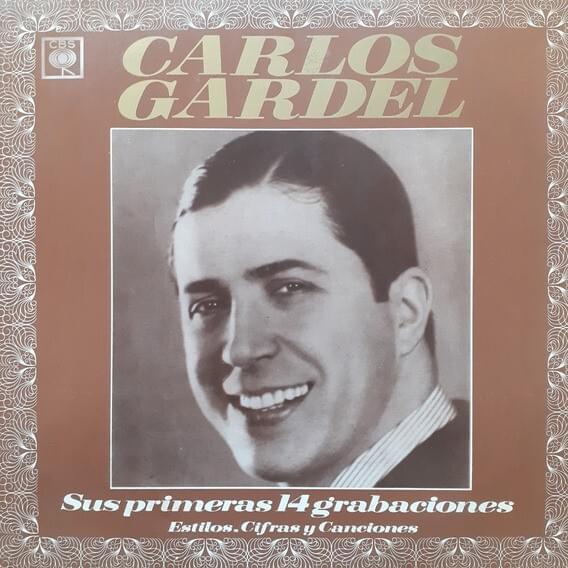
 View Artist