Song Meaning
These lyrics plunge us into a vibrant, almost dizzying scene: someone, identified as "Zé Marmita," is singing on the avenue, so lost in the moment they "nem vê que amanheceu." There's a powerful sense of unbridled joy, a temporary escape where they "Pensa que o mundo agora é seu." It's a snapshot of pure, fleeting euphoria.
Yet, this blissful oblivion is sharply interrupted by a direct, almost chiding voice. The speaker cuts through the revelry, urging Zé Marmita to "Deixa de fita, seja sincero" and "abra seu peito." This repeated plea for honesty introduces a central tension, suggesting that Zé's outward display might be a performance, a pretense masking deeper truths or an impending reality.
The true genius here lies in the stark contrast between the party's fleeting magic and the inevitable return to the mundane. The speaker ominously declares, "Quero só ver quando a festa acabar / Coragem pra trabalhar." The vibrant "fantasia" (costume) and "folia" (revelry) must be paid for and forgotten, replaced by the grim reality of "Sentir no trem das cinco." The final image, "A nova alegoria," is particularly striking, repurposing a carnival term for the daily commute, transforming the celebratory float into the mundane train ride to work.
Ultimately, these lyrics hit hard because they capture that universal, bittersweet pivot from escapist fantasy to the sober demands of everyday life. The specific, vivid imagery—from the singing on the avenue to the five o'clock train—grounds this transition, making the emotional impact of the party's end and the return to responsibility feel acutely real and profoundly relatable.
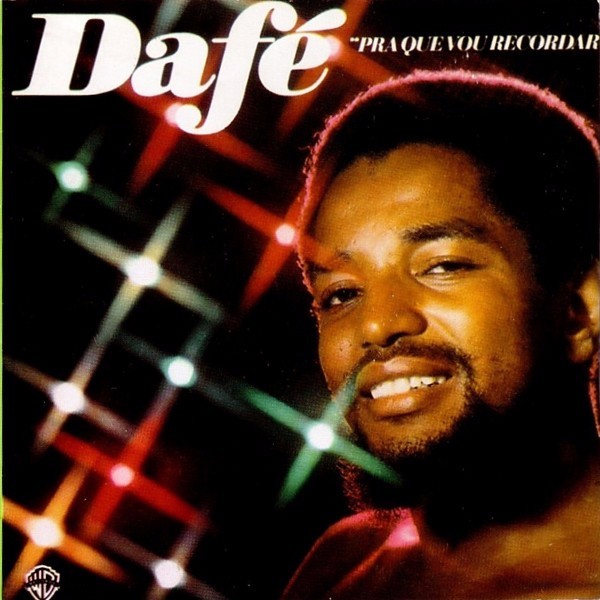
 View Artist