Song Meaning
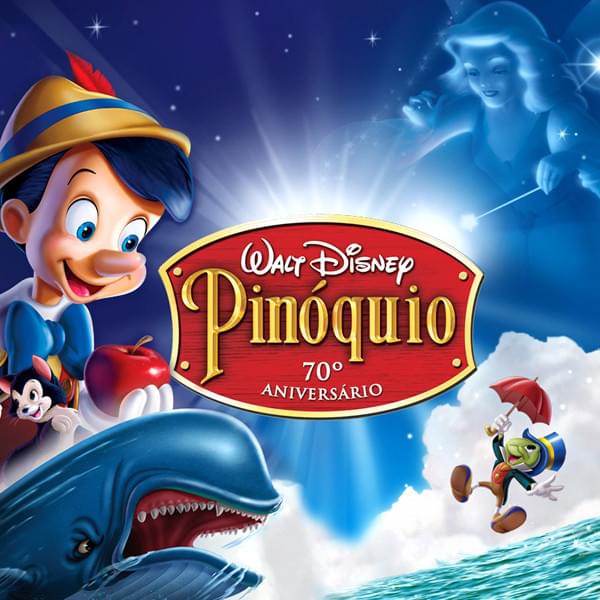
The lyrics present Pinocchio asserting his autonomy, directly challenging the perception of him as a mere puppet. He declares, "Boneco eu sou, mas sou assim" (I am a doll, but I am like this), and emphatically states, "Não há cordões em mim" (There are no strings on me). This isn't just a statement of physical freedom; it's a profound claim to self-determination and an independent voice, "E essa é a minha voz / Não é voz de outro não" (And this is my voice / It's not someone else's voice). The repeated assertion aims to convince others of his genuine agency.
The arrival of other marionettes – Dutch, French, and Russian – introduces a fascinating contrast. While Pinocchio insists on his lack of strings, these characters embody distinct cultural performances and puppet-like characteristics. The Dutch marionette mentions wooden shoes for walking, the French one boasts a sophisticated savoir-faire and sings exclusively in French, and the Russian one hails from Moscow, singing "Da-da, boneca sou" (Yes-yes, I am a doll). Their presence highlights Pinocchio's unique position, setting him apart from the more conventional, string-controlled figures.
Pinocchio's core message is about breaking free from predetermined roles and external control. The lyrics suggest that true identity and expression come from within, not from the strings that might dictate movement or speech. His repeated declaration, "Não há cordões em mim," becomes a powerful anthem for self-possession and the courage to define oneself beyond the expectations of others. The other marionettes, in their distinct cultural expressions, inadvertently underscore the singularity of Pinocchio's claim to an unmanipulated existence.
 View Artist