Song Meaning
The lyrics paint a stark picture of abandonment and forgotten humanity, using the figure of a "tramp" to evoke profound pity. The opening verse immediately establishes a parallel between the "tramp" and the biblical Lazarus, emphasizing a shared fate of begging for scraps and dying alone on the street. This comparison sets a tone of deep sorrow and highlights the societal neglect faced by the marginalized.
The central emotional tension arises from the contrast between the tramp's desolate end and his past humanity. The chorus repeatedly asserts, "He was some mother's darling, he was some mother's son," and "Once he was fair and once he was young." This insistent reminder of his lost youth and familial connection underscores the tragedy of his current state, making his lonely death feel like a profound betrayal of his inherent worth.
The most striking craft element is the direct equation of the tramp's fate with Jesus Christ's crucifixion. Verse two states, "Jesus who died on Calvary streets... Then they left him to die like a tramp on the street." This audacious comparison elevates the tramp's suffering to a Christ-like level, suggesting that the same forces of indifference and cruelty that led to Christ's death are at play in the abandonment of the poor. The repetition of "left him to die" in both the chorus and verse two hammers home this theme of deliberate neglect.
This lyrical approach is effective because it forces the listener to confront uncomfortable truths about societal values and empathy. By linking the tramp to both Lazarus and Jesus, the lyrics demand that the listener see not just a "tramp," but a figure of immense suffering and lost potential, whose fate mirrors the ultimate sacrifice. The raw, accusatory repetition of "they left him to die" leaves the listener with a lingering sense of guilt and a call to recognize the divine spark in even the most forgotten individuals.
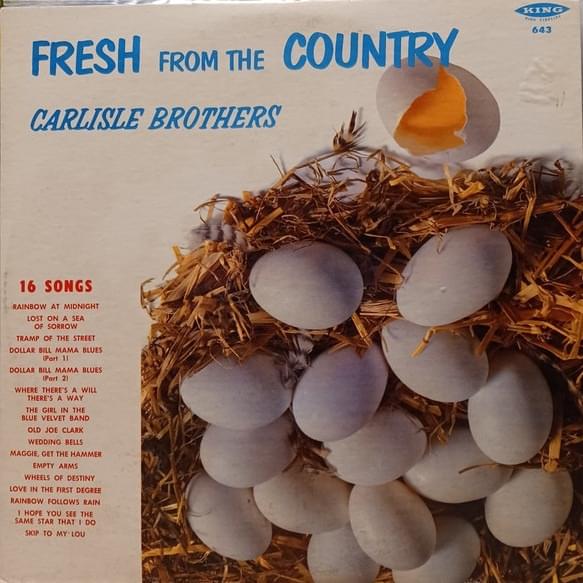
 View Artist