Song Meaning
The narrator grapples with an intense fear of loss, a feeling so profound it manifests as physical pain. The opening lines immediately establish a desperate plea: "No te quiero perder" (I don't want to lose you). This isn't just about separation; it's about the potential erosion of their shared sweetness, their "miel" (honey), and the subsequent loss of faith. The fear is so potent that it leads to a contradictory desire: "No te quiero tener" (I don't want to have you), suggesting that possession might somehow invite the very loss they dread.
The core tension lies in this push-and-pull between wanting to hold on and fearing that holding on will cause the object of affection to slip away. The narrator feels an overwhelming weakness without the other person, to the point of wanting to "sentarme a llorar" (sit down and cry) and express unspoken sentiments. This vulnerability is amplified by the idea that "Semillas tengo de ti" (I have seeds of you inside me), implying a deep, intrinsic connection that feels threatened by absence, with these internal seeds potentially withering.
What's striking is the raw, almost desperate physicality of the emotion. The phrase "Me duele hasta piel" (It hurts me to the skin) is visceral, suggesting the pain is not just emotional but deeply somatic. This physical manifestation of heartache underscores the intensity of the narrator's attachment. Furthermore, the desire to "Darte unos besos que quizá / Tenga que robar" (Give you some kisses that perhaps / I'll have to steal) hints at a complex dynamic, possibly one where the narrator feels they must seize moments of intimacy due to the precariousness of the relationship, emphasizing the fear of losing what is so intensely desired and felt.
Ultimately, these lyrics resonate because they articulate a universal anxiety about love's fragility with uncommon directness and physical imagery. The narrator's internal conflict – the fear of losing someone so deeply intertwined with their being that their absence feels like a physical wound – is laid bare. The writing doesn't shy away from the desperation, making the plea to hold onto love feel both deeply personal and powerfully resonant.
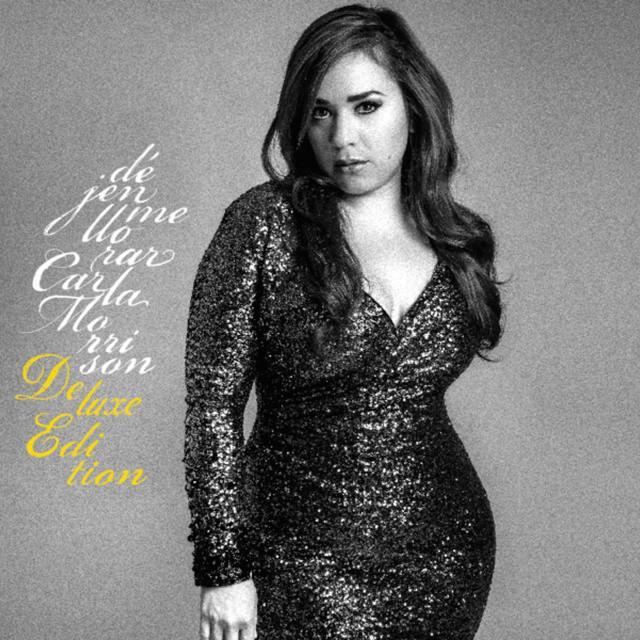
 View Artist