Song Meaning
The lyrics paint a stark picture of a desperate pursuit, a chase across the water of memory. The narrator watches someone drift away on the "rivière du souvenir," a potent image of being lost in the past. While the narrator runs along the bank, shouting for them to return, the distance between them only seems to grow, creating an immediate sense of loss and futility. This opening sets a tone of urgent, yet ultimately hopeless, longing.
The central tension lies in the push and pull of memory and oblivion. The figure drifting away "s'enfonces" (sinks) into "liquide mouvant" (moving liquid) and hesitates, caught between the past and the possibility of being found. They hide their face, ashamed of "la honte et les regrets" (shame and regrets), suggesting a painful history they cannot escape. The narrator, however, remains tethered, calling them back even as they sink further.
The writing uses powerful, almost brutal imagery to convey the state of the person being pursued. They are described as a "pauvre épave" (poor wreck) and a "chienne crevée au fil de l'eau" (dead bitch on the water's current), highlighting a profound sense of decay and despair. Yet, the narrator declares themselves "ton esclave" (your slave), willing to "plonge dans le ruisseau" (dive into the stream) for this broken figure. This contrast between the victim's state and the narrator's devotion is striking.
What makes these lyrics so effective is their unflinching portrayal of a toxic, inescapable bond. The final lines suggest that even as memory drowns them, the "océan de l'oubli" (ocean of oblivion) ultimately unites them. This dark resolution, where shared heartbreak becomes a perverse form of connection, leaves a lingering, unsettling impact.
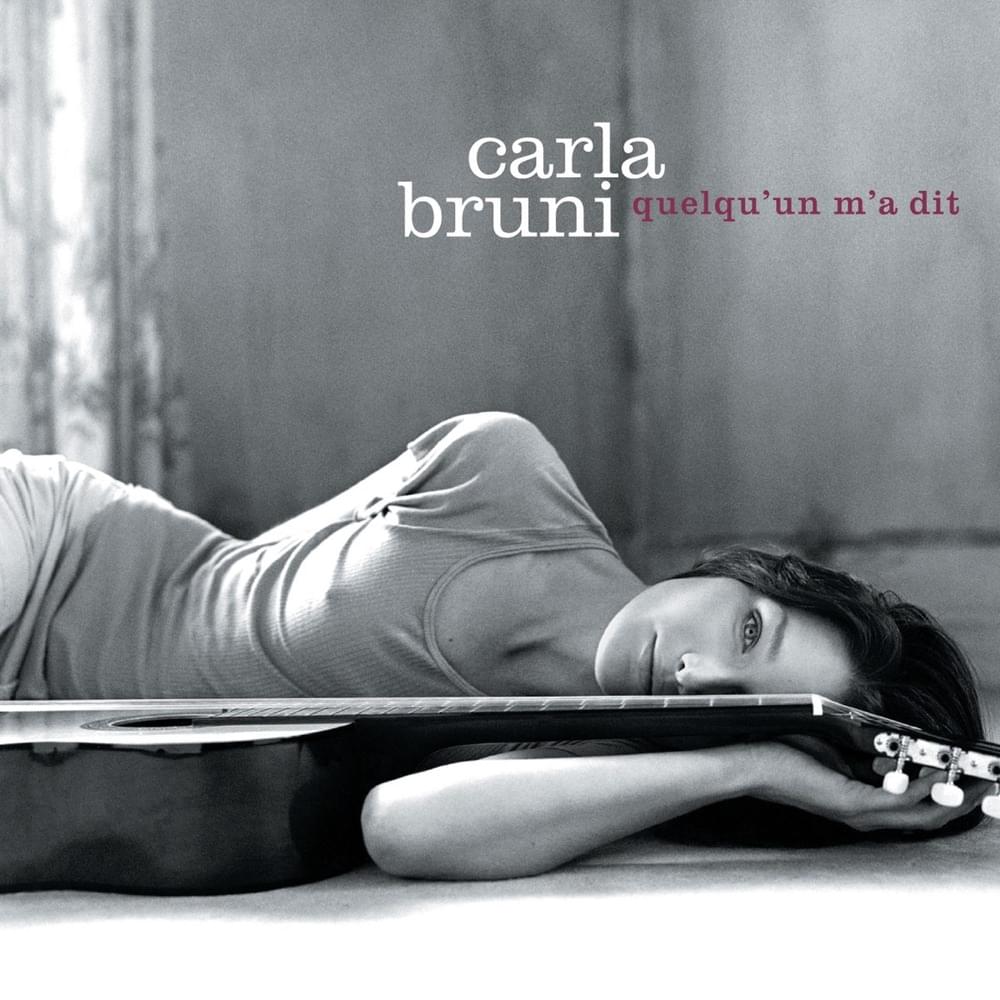
 View Artist