Song Meaning
The lyrics of "Je suis une enfant" immediately declare a powerful paradox: the speaker identifies as a "child" despite being "quarante ans" and having had "trente amants." This isn't a literal claim of youth, but a fierce assertion of an inner spirit that defies the constraints of age and experience. It's a refusal to be defined by conventional markers of adulthood.
This chosen identity faces significant resistance, both external and internal. The narrator notes that "Mon fils conteste" and "Ma mère proteste," highlighting societal and familial pressure to conform to an older persona. More profoundly, her own "âme conteste" and "peau proteste," suggesting an internal awareness of time's passage and the body's aging. Yet, the speaker defiantly defends herself, choosing to remain a child at heart.
The craft here lies in the persistent repetition of "Une enfant" and the vivid, almost whimsical imagery used to describe this chosen state. Phrases like "une belette" (a weasel, suggesting nimbleness) and "plumes des allouettes" (lark feathers, evoking lightness and freedom) paint a picture of a spirit unburdened. The narrator is "amoureuse de l'instant," embracing spontaneity and actively choosing to "joues des tourments," making light of life's difficulties with a childlike resilience.
Ultimately, these lyrics resonate because they articulate a profound desire for self-determination. The speaker actively "tourne le dos au temps," rejecting the linear progression of life to embrace a perpetual present. Her wish for "une jupe au vent" encapsulates a yearning for uninhibited freedom, making this a potent declaration that one's spirit can indeed transcend age and societal expectations.
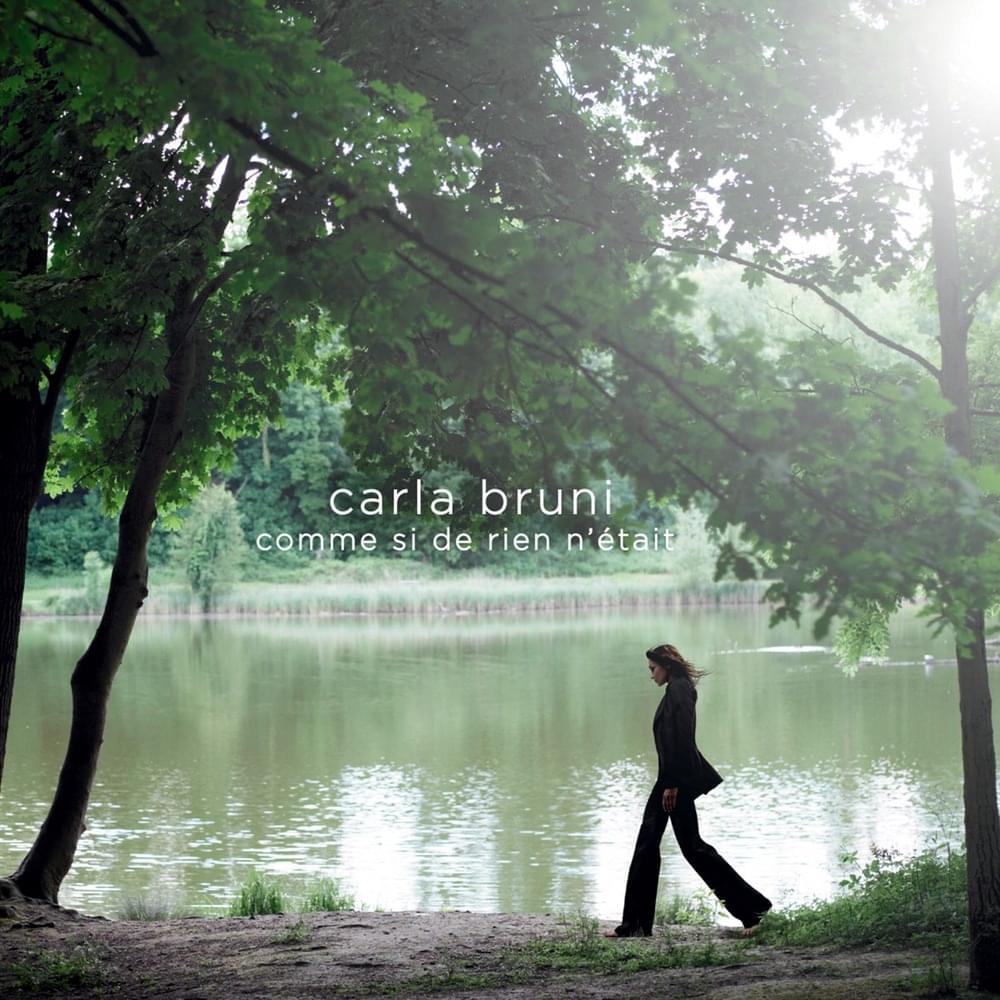
 View Artist