Song Meaning
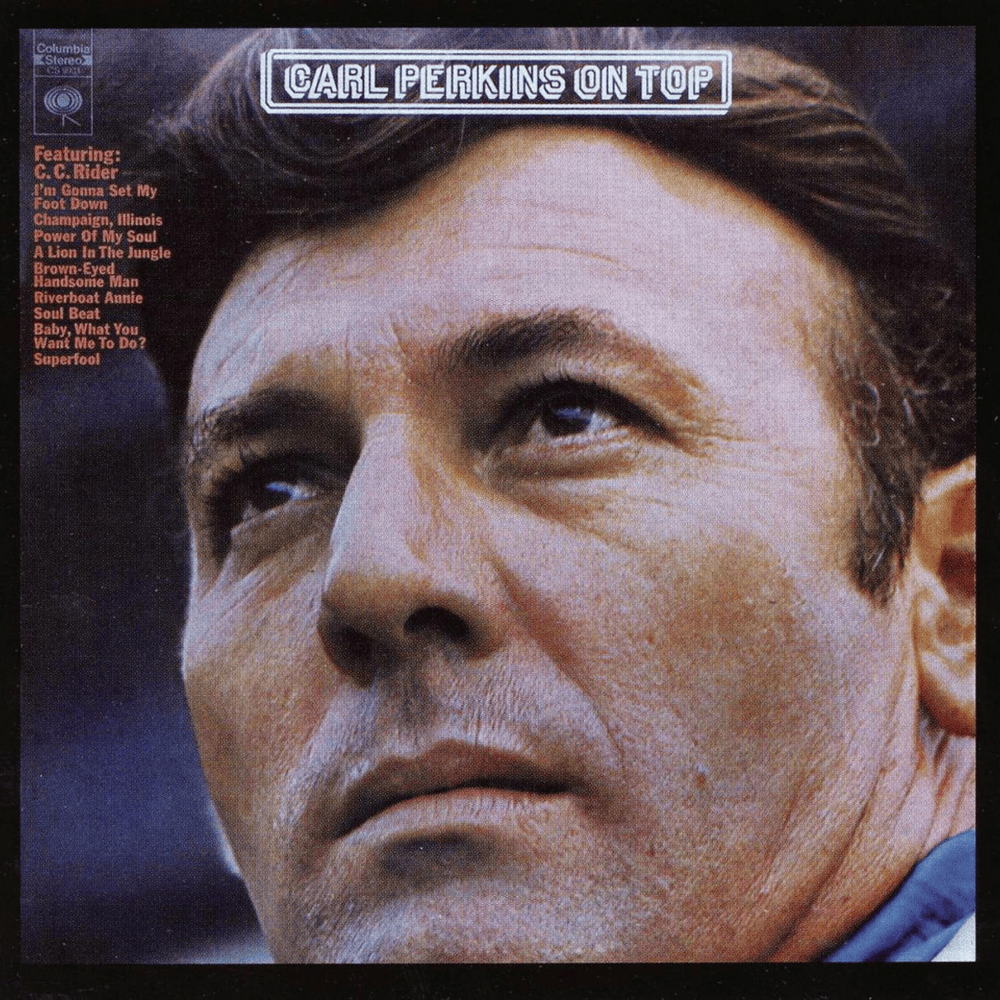
{"song_id": 11136220, "meaning": "Carl Perkins' \"Riverboat Annie\" isn't just a song; it's a sonic portrait of a mythic maternal figure carved from the Mississippi mud. Annie, the titular character, transcends the simple label of 'riverboat queen,' embodying instead a primal archetype of nurturance and resilience. The lyrics paint her as a foundling's savior, a community pillar, and a font of both practical wisdom ('how to catch a catfish, smoke, drink and fight') and spiritual grounding ('singing in the glory-land way'). Perkins subtly explores the psychological impact of such a figure, hinting at the profound sense of loss and displacement felt when Annie inevitably departs, leaving behind only memories of 'catfish and cornbread.'
The song's emotional core resides in the speaker's deeply felt connection to Annie. Abandoned and adrift, he's rescued and raised by this unconventional matriarch. She equips him with the tools for survival – both literal and figurative – and instills in him a sense of belonging. The 'muddy water' she drinks and the 'river' that defines her existence become symbolic of her groundedness and connection to the natural world. The lyrics analysis reveals that Annie isn't idealized; she's complex, teaching the speaker both the gentle art of reading and writing, as well as the rough-and-tumble skills needed to navigate a harsh environment. This duality is what makes her so compelling.
Ultimately, \"Riverboat Annie\" delves into the enduring power of maternal love and the indelible mark it leaves on a child's soul. Perkins, through his vivid storytelling, captures the essence of a woman who defied societal norms and carved out her own kingdom on the river, becoming a beacon of hope and stability for those who needed it most. The song meaning transcends a simple biography, transforming into a universal ode to the women who shape us, nurture us, and leave an irreplaceable void when they're gone. It subtly explores how the departure of such a powerful figure can redefine one's sense of 'home,' leaving the individual forever tethered to the memory of the 'queen of the river.'"}
 View Artist