The provided text for "Fanfare for the Common Man" explicitly states "(Instrumental)". This immediately establishes that the piece communicates without sung or spoken words. The absence of a lyrical narrative directs the listener's attention entirely to the sonic experience. This structural choice signals a focus on pure musical expression.
Without any verbal content, the "lyrics" offer no specific emotional tension or conflict to analyze. The text simply declares its form. This deliberate choice to omit words means any emotional impact must arise solely from the composition's non-verbal elements. The listener is invited to interpret meaning from sound alone.
The most striking "craft element" in the provided text is its stark brevity. The single word "(Instrumental)" functions as a meta-commentary, defining the piece's very nature. It's a declaration of intent, foregrounding the musicality over any potential verbal storytelling. This directness is both informative and definitive.
The effectiveness of these "lyrics" lies in their absolute clarity. By stating "(Instrumental)", the text immediately sets the parameters for engagement. It tells the audience precisely what to expect: a soundscape unburdened by narrative or character voices. This directness ensures the listener approaches the work with an ear tuned for non-verbal communication.
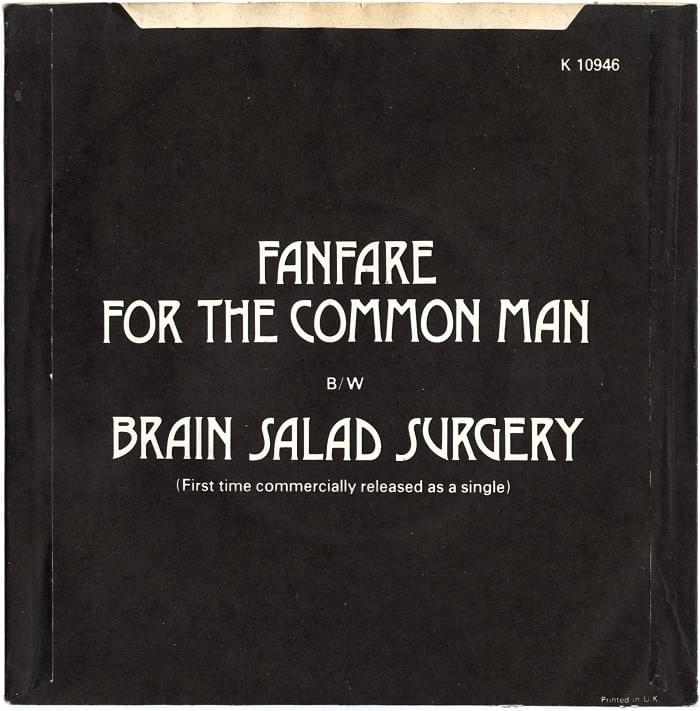
 View Artist