Song Meaning
The lyrics paint a vivid picture of lingering grief and the persistent presence of someone lost. The narrator describes a world where the departed feels almost tangible, a constant companion in the form of "walking shadows" and "talking memories." This isn't a distant recollection; it's an immediate, almost physical sensation that colors every moment. The opening lines immediately establish this paradox: the person is gone, yet "almost here with me yet."
The central tension lies in the narrator's struggle to reconcile the absence with the overwhelming feeling of presence. They are "so used to havin' you around," and this ingrained habit makes the present feel hollow, despite the spectral closeness. The "memory meadow" is a poignant image, suggesting a landscape shaped by past experiences, where the narrator's heart aches to acknowledge the depth of what was. This constant proximity of the past makes moving forward feel impossible, as the memories "won't let me forget."
The most striking craft element is the personification of abstract concepts. "Walking shadows" and "talking memories" are not passive recollections but active entities that follow and speak. This imbues the grief with a life of its own, making it an almost sentient force. The image of the "leaf of memory falling / From a tree that's taller every year" is particularly powerful; it suggests that with each passing year, the memories don't fade but grow, becoming more substantial and perhaps more overwhelming, even as the individual leaves represent discrete moments.
This lyrical approach is effective because it externalizes an internal emotional state, making the intangible feeling of loss palpable for the listener. The repetition of the chorus reinforces the cyclical nature of the narrator's experience, trapping them in a loop of remembrance. The contrast between the desire to turn and see the loved one and the reality of a falling leaf highlights the painful gap between longing and reality, making the emotional weight of the lyrics deeply resonant.
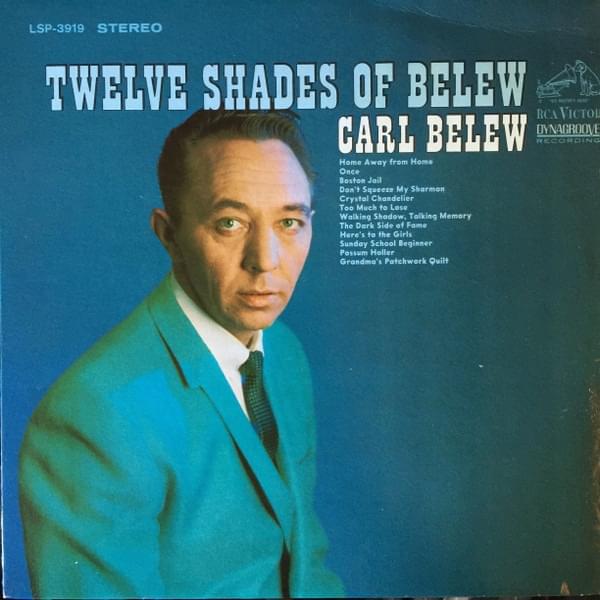
 View Artist