Song Meaning
The narrator heads to a masquerade party with a singular mission: finding the person who "set me free." This initial setup paints a picture of hopeful searching within a scene of disguise and hidden identities. The anticipation builds as the narrator navigates this masked world, driven by the desire to reconnect with someone significant. The core of the narrative unfolds at this very party, where the sought-after individual is finally discovered.
The central tension arrives with the revelation of the woman's disguise. She wears "the mask of a devil," a stark contrast to the "angel" the narrator seeks. Yet, this apparent contradiction is precisely where the magic happens. The narrator doesn't shy away; instead, they invite her to dance, accepting the duality she presents. This act of acceptance, of seeing beyond the superficial mask, is what leads to the pivotal moment: "the devil gave my angel back to me."
The lyrics employ a powerful, almost mystical repetition to underscore this theme. The phrase "the devil gave my angel back to me" acts as a refrain, anchoring the song's emotional arc. It suggests that salvation or liberation wasn't found in purity, but through embracing a darker, more complex facade. The imagery shifts from a earthly party to a celestial dance, "dancing like the way up in heaven," implying that true connection transcends conventional notions of good and evil. Lifting the "mask of the Satan" reveals not a monster, but the longed-for angel, reborn through this unexpected encounter.
This narrative's effectiveness lies in its subversion of expectations. The masquerade isn't just a setting; it's a metaphor for how we perceive others and ourselves, and how true connection can emerge from unexpected places. The lyrics suggest that sometimes, the path to finding our "angel" involves confronting and embracing the "devil" within or without. It’s a striking portrayal of how liberation can be found not by shedding darkness, but by integrating it.
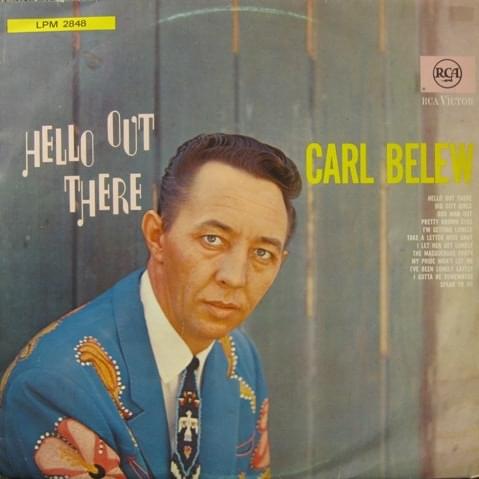
 View Artist