Song Meaning
The lyrics paint a grim picture of a situation, perhaps a career or a relationship, that has gone sour. The opening lines immediately confront the listener with a visceral image: "Can you smell the rot?" This isn't just decay; it's the "foul stench of success," suggesting that even perceived victories are tainted and unpleasant. The narrator sees this state as a "carcass in decay," a thing long past its prime, implying a deep-seated corruption or expiration.
The central tension lies in the cyclical nature of this decay, presented through the metaphor of a chameleon. Despite changing its appearance, the core issue remains unchanged: "the same old song, to the same old tune is played." This highlights a frustrating lack of genuine progress or transformation. The narrator seems resigned to this, acknowledging they are "falling to the bait," yet the underlying problem persists, making any perceived change feel hollow.
The most striking element is the defiant, almost nihilistic embrace of the decay in the post-chorus: "Let's rot!" This repeated, urgent call to action is jarring against the backdrop of failure. It transforms the passive state of decay into an active choice, a perverse form of celebration or perhaps a desperate attempt to find agency within the inevitable decline. The bridge reiterates the initial question, forcing a confrontation with the pervasive rot.
Ultimately, these lyrics resonate because they capture a feeling of being trapped in a stagnant, unfulfilling cycle, where outward appearances mask an internal rot. The contrast between the desire for change (the chameleon) and the reality of sameness, coupled with the unsettling invitation to "rot," creates a powerful, albeit bleak, emotional landscape. The final "commiserations / Or celebrations / Of a, rejuvenation?" leaves the listener questioning whether this is an ending or a twisted new beginning.
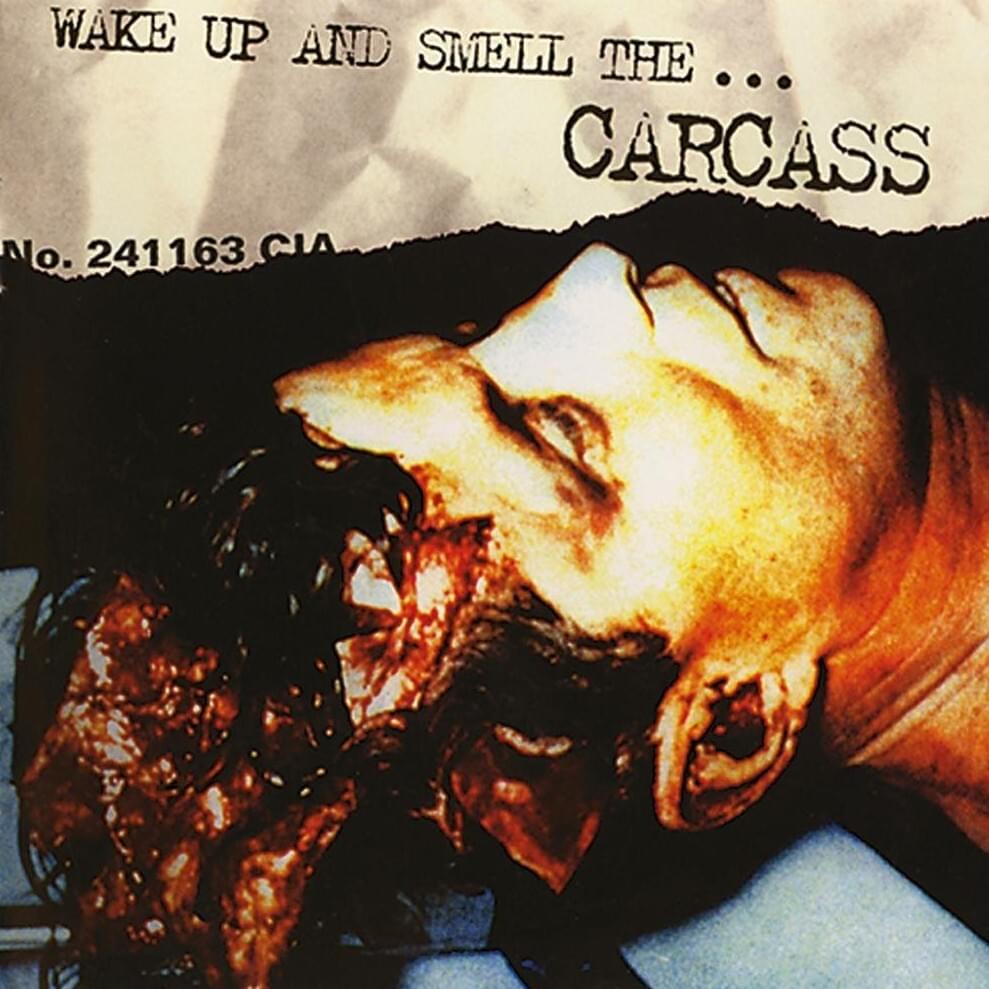
 View Artist