Song Meaning
A peculiar figure, the "little man," occupies the narrator's mind, a constant presence who "rang and danced while he sang." This internal character is sharply defined, clad in "Navy Blue" and possessing a clear sense of purpose, especially concerning his "lady friend." His arrival yesterday, fresh from a "trip far away," brings a disorienting message: the narrator has a "new face," suggesting a profound shift or alteration in self-perception.
The core tension seems to stem from the little man's judgment and the narrator's defensiveness. The lyrics reveal a past transgression: "The day he got caught / Speeding on mind's highway." The narrator insists "it wasn't my fault," implying a shared responsibility or an external blame for this incident that occurred on this "mind's highway." This suggests a struggle with internal impulses or external pressures that led to a negative outcome, with the little man serving as a witness or judge.
The most striking craft element is the personification of internal thought processes as a distinct character. This "little man" isn't just a memory; he's an active agent who "rang and danced," "knows what to do," and delivers pronouncements about the narrator's identity. The phrase "mind's highway" is a potent metaphor for the internal landscape where thoughts and actions, perhaps reckless ones, take place, leading to being "caught."
This lyrical construction is effective because it externalizes an internal conflict, making the abstract struggle with self-identity and past mistakes tangible. The contrast between the little man's assuredness and the narrator's implied unease creates a compelling psychological portrait. The narrator's insistence on innocence regarding the "speeding" incident, coupled with the little man's observation of a "new face," leaves the listener pondering the nature of guilt, change, and the internal voices that hold us accountable.
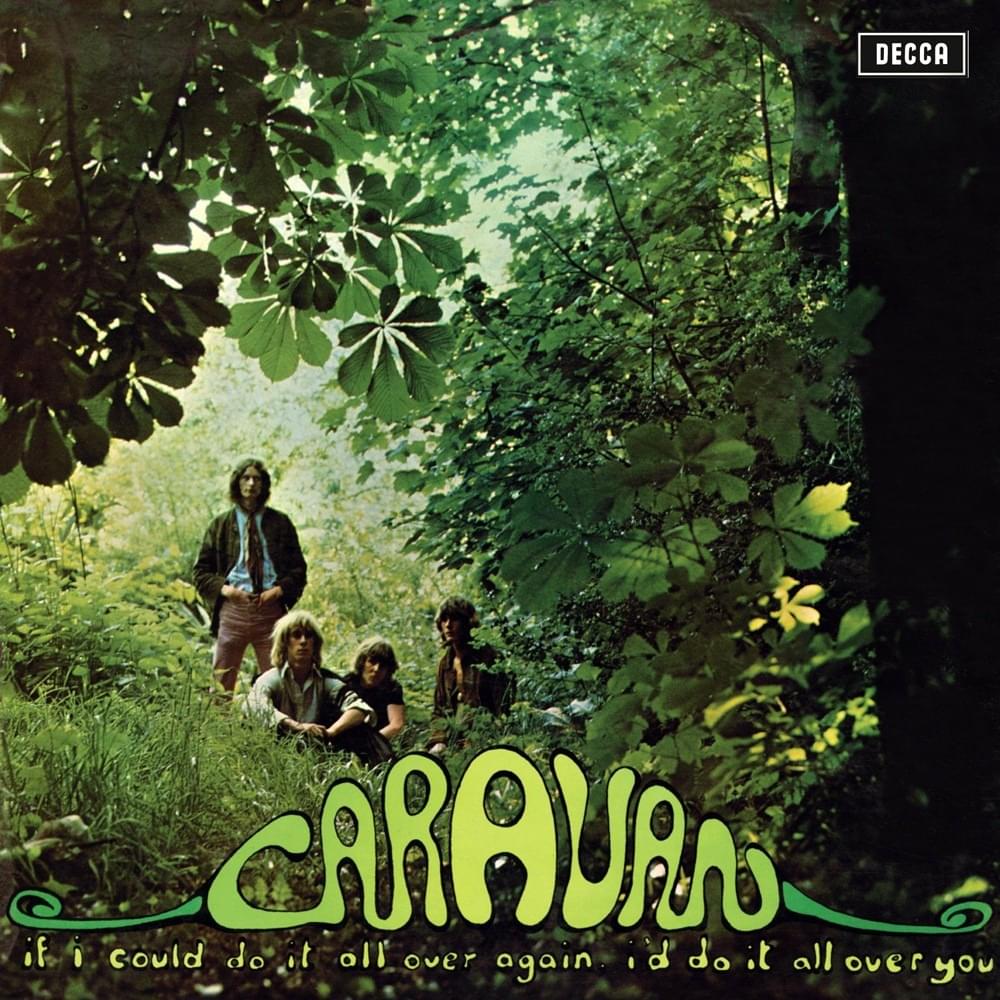
 View Artist