Song Meaning
The lyrics paint a visceral scene of a captain defying both nature and his crew's religious convictions. A violent storm rages, described with stark imagery like "monstrous waves" and "demonic tempest." The captain's immediate response to his men's fear and complaints is a defiant "I command!" and "We set sail!" This sets up a clear conflict between his will and the forces arrayed against him.
The central tension explodes when the crew invokes religious prohibition, refusing to sail on Easter Sunday due to "Christ has forbidden." The captain's reaction is pure, unadulterated rage and blasphemy. He dismisses their God with visceral curses, "May he suffocate, may he rot!" and declares his intention to cast the "book of lies" into the sea. This isn't just defiance; it's a violent rejection of faith in favor of absolute personal authority.
The most striking craft element is the swift, brutal escalation from verbal command to physical violence. The captain's threat to a mutinous crew member is chillingly direct: "You hold your tongue or rip it out and have you hanged for mutiny." This is immediately followed by the graphic act of violence, "With my knife I slowly penetrate his tender throat!" The final, defiant cry, "Wij zullen varen, al betekent het mijn dood!" (We shall sail, even if it means my death!), solidifies his absolute, self-destructive resolve.
These lyrics hit hard because they capture a primal, almost nihilistic will to power. The captain's absolute refusal to yield, even to divine decree or the threat of death, is terrifying. The raw, aggressive language and the swift descent into extreme violence create an unflinching portrait of a man utterly consumed by his own command, making the listener confront the destructive potential of unchecked ego.
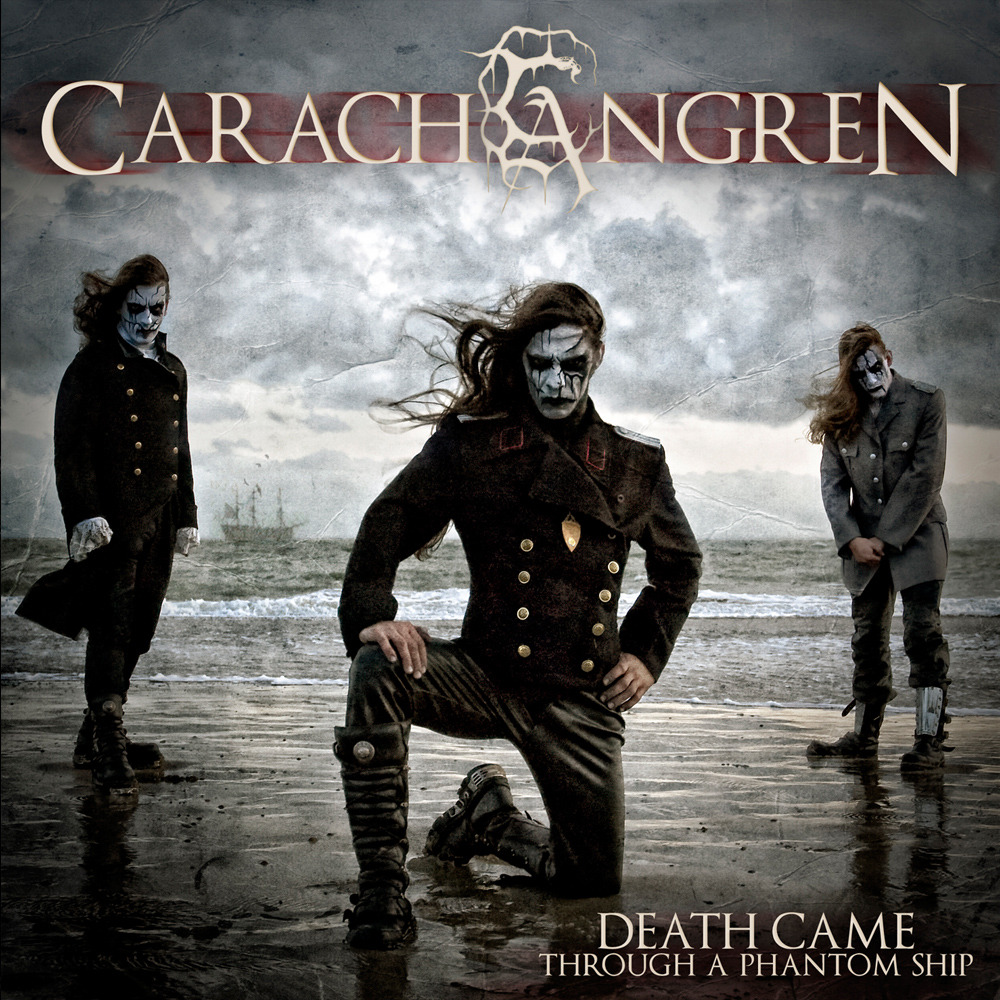
 View Artist