Song Meaning
The lyrics paint a picture of someone emerging from a period of deep personal pain, described as a "dark light" that "sharply cuts and brushes past." These internal struggles, the "pain that I couldn't embrace," are presented as the source of past tears. The arrival of a new presence, "you," offers a stark contrast, with their eyes holding "flowers and sunlight," suggesting a healing and vibrant energy that allows the narrator to finally see a path forward. This shift is crucial, moving from internal suffering to external hope.
The central tension lies in the transformation of past wounds into something beautiful. The narrator acknowledges their own past inability to cope with their pain, but the presence of "you" enables a new perspective. This is reinforced by the repeated assertion, "I will be with you" and "You'll never be alone," which becomes a promise of mutual support. The core idea, "scars leave a beautiful trace," suggests that these past hurts, once processed and integrated, contribute to a more resilient and perhaps more empathetic self.
The most striking craft element is the juxtaposition of harsh imagery with gentle, natural metaphors. The initial "dark light" that "cuts" is countered by the pre-chorus vision of eyes that "bloom like flowers and sunlight." Later, the bridge speaks of blooming even within a "cold season." This consistent contrast between hardship and burgeoning life underscores the song's message of overcoming adversity. The repeated promise, "I will be with you," evolves into "I will stand here strong" and then a reciprocal "I will stay by your side," showing the narrator's own growth and agency.
What makes these lyrics resonate is their grounded portrayal of healing not as an erasure of pain, but as an integration of it. The narrator doesn't claim to be suddenly free of all hurt, but rather to have found a way to see past struggles as formative rather than destructive. The repeated chorus, especially the line "scars leave a beautiful trace," offers a powerful reframing, suggesting that our deepest wounds can, with time and support, become markers of survival and beauty. It’s a hopeful message delivered through a clear, evolving narrative of personal resilience.
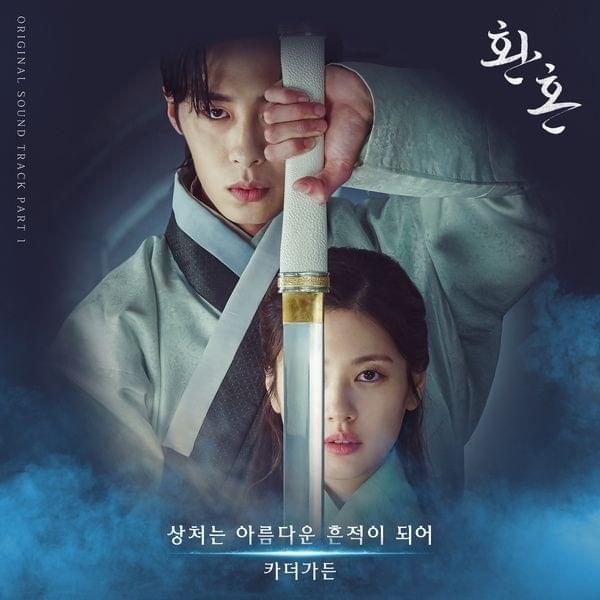
 View Artist