Song Meaning
The lyrics paint a stark picture of disorientation and emotional paralysis. The opening lines immediately establish a sense of profound change, leaving the narrator "shaking" and questioning reality itself. This isn't a gentle transition; it's a jarring upheaval where the familiar has dissolved, and the narrator is left adrift, unsure of how to process the seismic shifts occurring both internally and externally. The feeling is one of being stuck, caught between a desire to escape and an inability to act.
The central tension lies in the narrator's desperate plea for clarity and escape versus their overwhelming sense of being trapped. They express a desire to "tear down the walls" but simultaneously consider "build[ing] them taller." This internal conflict highlights a deep-seated fear of vulnerability, even as they crave a way out of their current state. The repeated phrase "Building bridges over mental scars" suggests a painful, ongoing effort to heal or connect, but it's juxtaposed with the chilling realization that "Our lives could end tonight," amplifying the fragility of their existence and the urgency of their need for solace.
The repeated motif of "tones of grey" is particularly effective in conveying the narrator's emotional landscape. It strips away vibrant color, leaving a muted, desaturated existence where clear feelings or resolutions are impossible. This pervasive greyness is reinforced by the imagery of "white knuckle fears" and "moats I've dug into my floor," which vividly illustrate a self-imposed isolation and a desperate struggle against overwhelming anxiety. The final lines, "So we forever anchor our ankles / Let us drown in love," offer a darkly ironic twist, suggesting that even the pursuit of connection or love can become a form of surrender, a willing descent into an overwhelming emotional state rather than a genuine escape or healing.
Ultimately, the power of these lyrics stems from their raw portrayal of existential dread and the struggle for self-preservation amidst profound change. The writing doesn't offer easy answers; instead, it immerses the listener in the narrator's confusion and fear. The specific, visceral images of "shaking," "white knuckle fears," and "anchoring ankles" ground the abstract feelings of disorientation in tangible sensations, making the narrator's internal turmoil resonate deeply and uncomfortably.
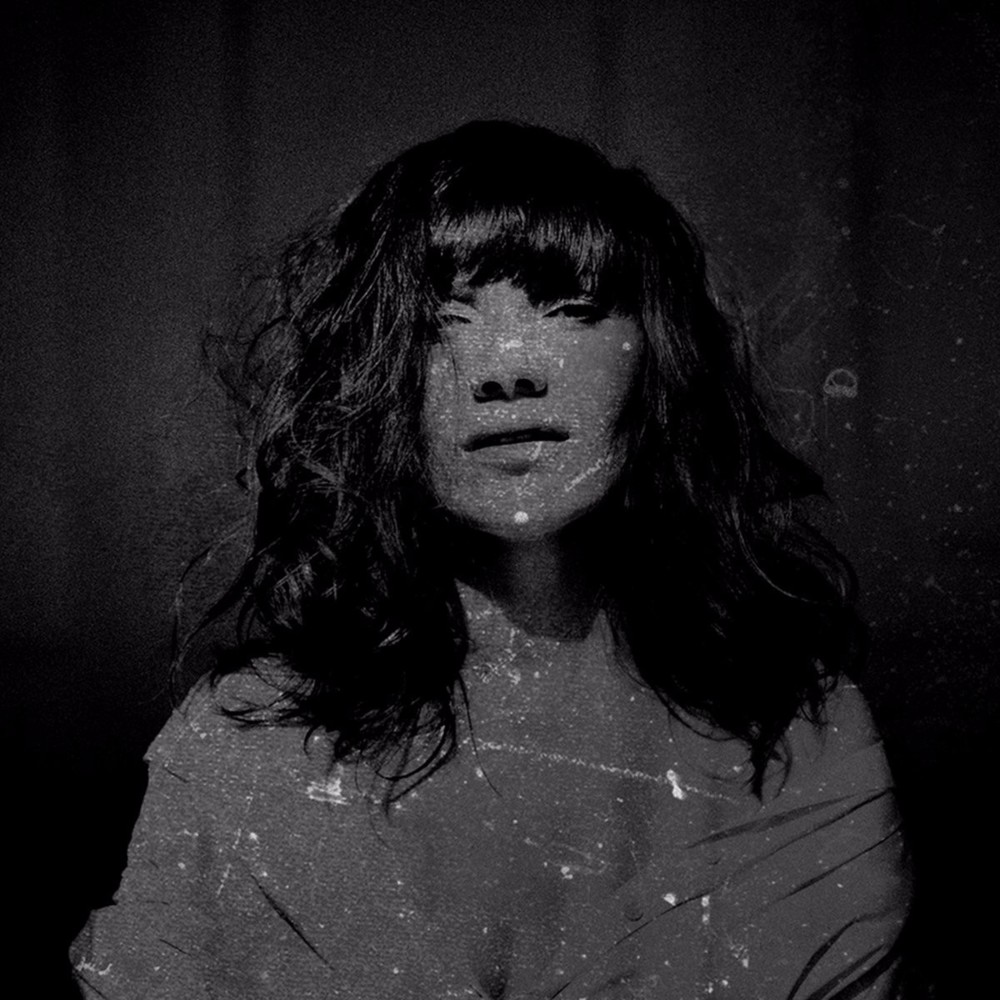
 View Artist