Song Meaning
The lyrics paint a picture of fleeting moments of peace that quickly dissolve, contrasted with an intense, uncontrollable emotional reaction. The narrator seeks refuge from external chaos, finding a "perfect moment" that "evaporates," only for a "spark" to ignite everything "like gasoline." This sets up a central tension between the desire for calm and the reality of volatile feelings.
The core conflict seems to be the narrator's struggle with words and their impact. They acknowledge experiencing "end of the world nights" but are particularly vulnerable to spoken words, which "cross the air and burn." Despite attempts to avoid them, these words "hit me dead center," feeling like a "car without brakes" – an unstoppable, destructive force.
The repeated refrain, "Night and day / The chorus is always like this," emphasizes the cyclical and persistent nature of this emotional state. The narrator's declaration, "I do for you what you do for me," reveals a reciprocal dynamic, suggesting that this intense emotional exchange, whether positive or negative, is a direct response to the other person's actions. It’s a stark, almost transactional approach to emotional reciprocity, driven by the constant, inescapable emotional weather.
This lyrical construction is effective because it grounds abstract emotional turmoil in concrete, visceral imagery. The contrast between the desired "perfect moment" and the "gasoline" fire, or the feeling of being hit by words like a "car without brakes," makes the internal struggle palpable. The relentless repetition of the chorus underscores the inescapable cycle, making the narrator's plight feel both personal and universally understood in its depiction of emotional vulnerability and reactive intensity.
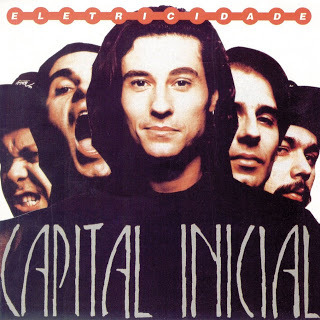
 View Artist