Song Meaning
The lyrics paint a stark picture of profound loss and societal exhaustion. The opening lines, "Roubaram meu ouro / Roubaram meu sangue / Roubaram meus filhos," establish a tone of deep violation and despair, suggesting that everything precious has been taken. This sense of being plundered is amplified by the repeated, almost desperate, chant of "Verde e amarelo," which seems to represent a national identity or symbol that has also been stolen or corrupted. The narrator expresses an inability to endure "Desordem e regresso," highlighting a feeling of regression despite the end of a war, as "nós não temos paz."
The central tension arises from the perceived futility of political division and the suffering it perpetuates. The narrator dismisses both "esquerda" and "direita" as "babacas e velhos demais," stuck in outdated conflicts while the common people suffer. This critique extends to the very symbols of the nation, as the "Verde e amarelo" is also stolen, leading to a plea to "Protejam o azul e o branco, alguém." The lyrics question the logic of further exploitation when "quem nada tem," underscoring a profound sense of injustice and the cyclical nature of suffering.
A striking element is the ironic contrast drawn parallel between "Golpe de estado é revolução / Fuga de rico é televisão / Fuga de pobre é religião." This juxtaposition highlights how different actions, often driven by desperation or privilege, are framed and perceived through vastly different lenses. The repeated, almost hypnotic, invocation of "Verde e amarelo" transforms from a symbol of national pride into a lament for what has been lost, a hollow echo of a stolen identity. The final, sparse image of "Sobrou o céu" offers a bleak outlook, suggesting that only the intangible remains after all has been taken.
Ultimately, the lyrics resonate through their raw expression of victimhood and disillusionment with political systems. The repeated refrain of stolen national symbols and the plea for peace after war create a powerful sense of collective grievance. The anticipation of "Um dia os mortos vão despertar" serves as a final, potent image, hinting at a reckoning or a profound societal shift that might arise from this deep-seated despair and the collective memory of what has been lost.
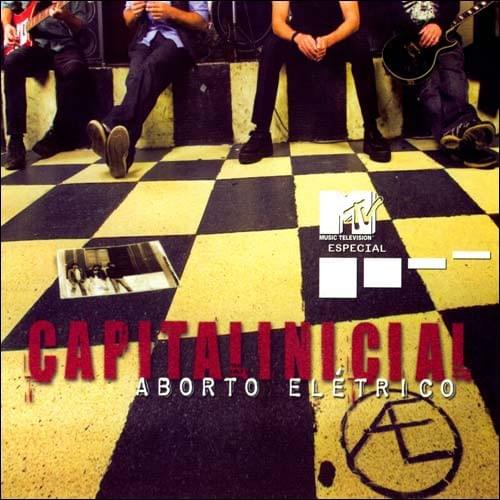
 View Artist