Song Meaning
The lyrics paint a picture of an early morning journey, beginning with the narrator rising before dawn and heading out into a glen. The repetitive, almost chant-like chorus, 'Hoireann o hi ri u ho,' creates a sense of rhythm and perhaps a ritualistic or traditional feel to the movement, grounding the narrative in a specific cultural soundscape. The journey progresses through different glens, suggesting a deliberate search or passage through the landscape.
The central event unfolds when the narrator finds a young woman, described as 'ghruagach dhonn gun eirigh' (a brown-haired girl without rising). The narrator then takes her, wrapping her in their own plaid, and makes a bold promise: 'Gun tugainn dha mathair fhein i' (I would give her to her own mother). This declaration, coupled with the narrator's own predicament (''S mise ghaoil a bha 'nam eiginn' – And I, my love, was in distress), hints at a complex situation, possibly involving a clandestine meeting or a rescue.
The most striking aspect is the narrator's assertion of ownership and future intent, despite the apparent distress. The promise to return her to her mother, followed by the vow, 'Ach ma thilleas mis' as Eirinn / 'S tusa ghaoil a gheibh am preusant' (But if I return from Ireland / It is you, my love, who will get the present), suggests a deep, perhaps possessive, affection. The 'present' is ambiguous, but the implication is that the narrator intends to claim the woman as their own, framing this return as a reward or a fulfillment of their own desires after a journey that began with distress.
This narrative is effective because it balances the starkness of the journey and the implied urgency with a tender, albeit possessive, declaration of intent. The contrast between the narrator's own 'distress' and the act of taking the woman, followed by the promise of a 'present,' creates a compelling emotional arc. It leaves the listener to ponder the nature of the narrator's claim and the woman's agency within this unfolding, ancient-feeling story.
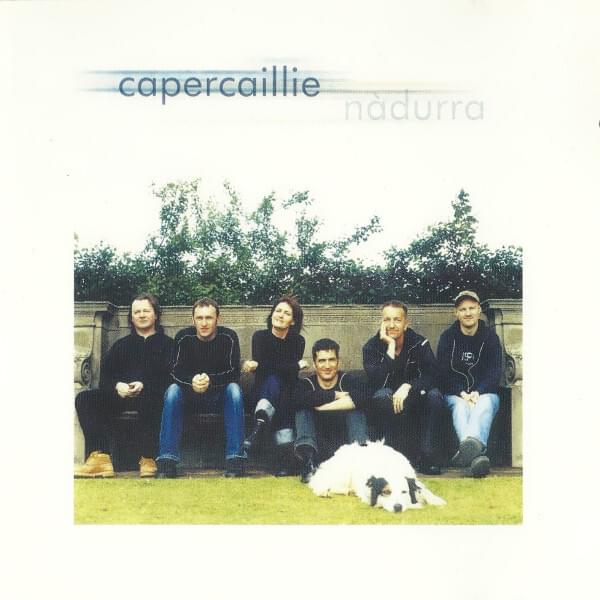
 View Artist