Song Meaning
The lyrics paint a vivid picture of someone feeling trapped and yearning for escape from a mundane existence. The opening lines immediately establish a sense of urgency and unease, with the narrator pleading, "Take me, take me to faraway lands / Hurry up, I'm not doing well." This isn't just a casual wish; it's a desperate cry born from a deep-seated restlessness that has been building for some time. The call to "Break free, break free from all your habits" suggests a shared feeling of confinement, urging a companion to shed the ties that bind them, even those with friends who, it's implied, won't be truly hurt by their departure.
The core tension lies in the suffocating repetition of daily life, described as being "imprisoned on the axis of home, work, power." This cyclical grind is explicitly stated as exhausting, making the idea of freedom feel "impossible." The narrator longs for experiences beyond this routine, for "places you've never seen" and "cities of stone not yet destroyed," highlighting a desire for novelty and perhaps a connection to something more ancient or enduring than their current reality. The phrase "ordinary life" is repeated, emphasizing its oppressive weight.
What's particularly striking is the subtle shift in agency and the underlying self-deception. The narrator initially seems to be the one initiating the escape, but then points out how the companion "promised and promised, convinced yourself." This suggests a shared, perhaps even internal, struggle with commitment to change. The idea of "your captivity could not end" hints at a deeper inertia, despite the outward desire for liberation. The narrator then reasserts control, challenging the notion that "control is not in your hands," and inviting the companion to "prepare your backpack, follow me / Never to return."
Ultimately, these lyrics resonate because they articulate a universal feeling of being stuck in a rut, the quiet desperation that arises from a life lived on autopilot. The contrast between the dream of "lost in another country" and the reality of "home, work, power" creates a powerful emotional pull. The writing effectively captures the internal conflict between the desire for radical change and the difficulty of breaking free from established patterns, making the plea for escape feel both deeply personal and widely understood.
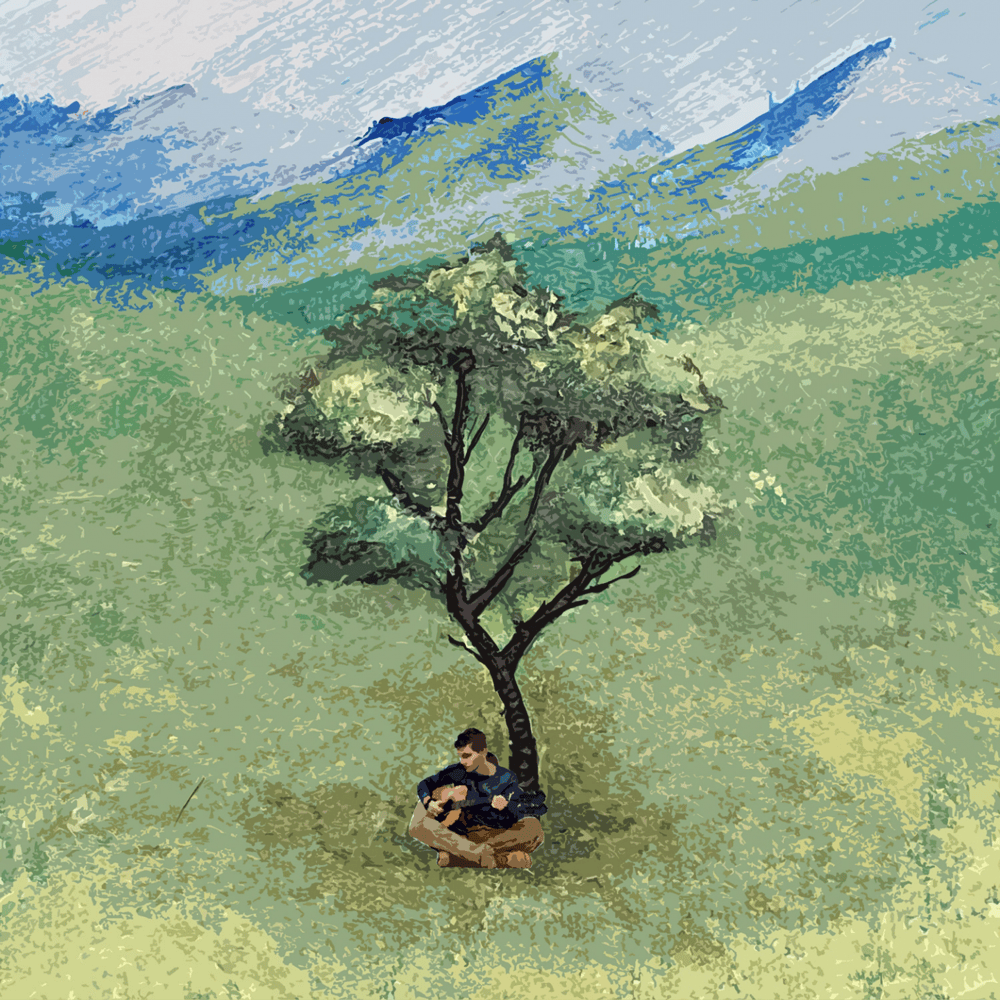
 View Artist