Song Meaning
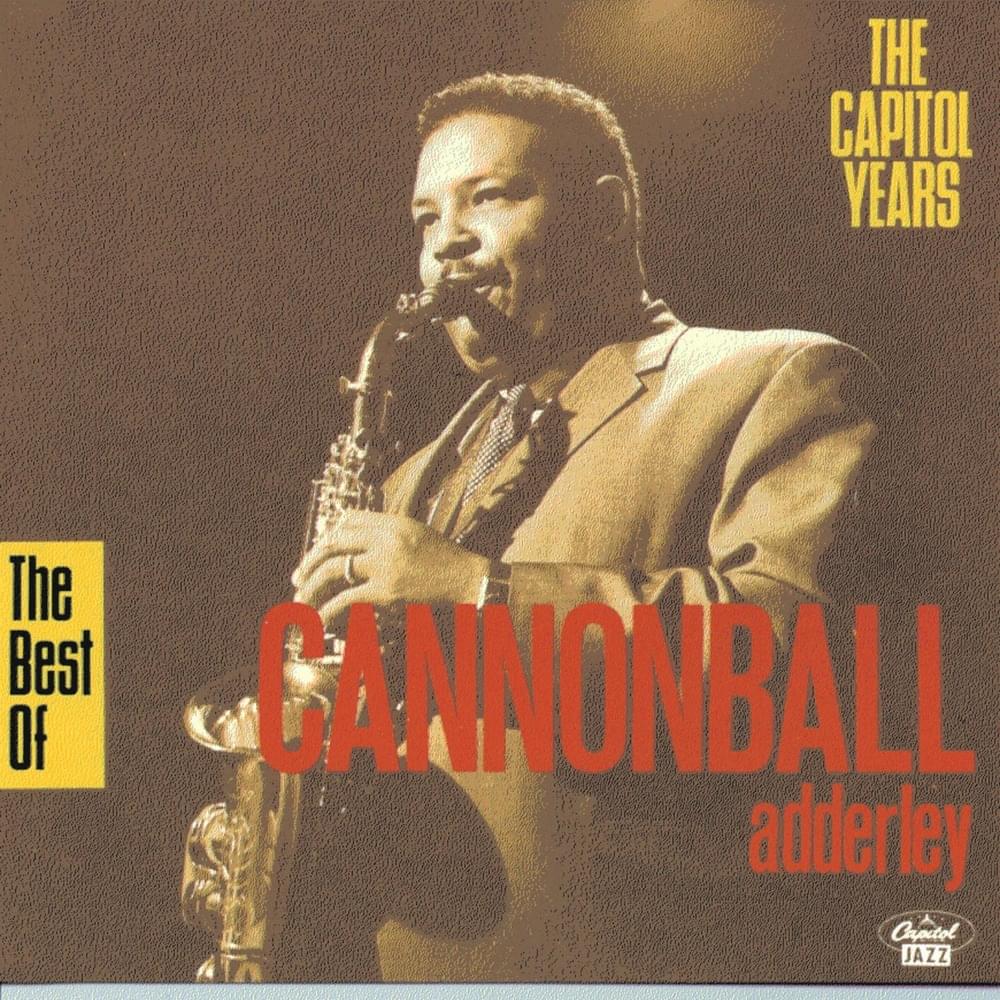
Cannonball Adderley's rendition of "Why Am I Treated So Bad" transcends a simple cover; it’s a poignant instrumental exploration of systemic injustice. The intro, a spoken dedication to Roebuck Staples, the Staple Singers patriarch and composer, immediately grounds the piece in the Civil Rights struggle. Adderley isn't just playing a tune; he's acknowledging a debt to the Black gospel tradition, a tradition deeply entwined with the fight for equality. The absence of lyrics during Adderley's performance is not a limitation, but a powerful choice. The instruments themselves become the voice of the unheard, the frustrated, and the oppressed. Each note, each carefully constructed phrase, echoes the question posed in the song's title. The listener is invited to feel the weight of that question, to contemplate the myriad ways in which a society can inflict harm.
Joe Zawinul's piano solo is the centerpiece, a raw and emotive outpouring that captures the heart of the song’s meaning. It's not just technical virtuosity on display; it’s a visceral expression of pain and resilience. Zawinul’s improvisation becomes a sermon, a testimony to the enduring spirit of those who have been marginalized and mistreated. The outro, a simple restatement of the song title and a spotlight on Zawinul, reinforces the central theme. Adderley understood that music could be a powerful tool for social commentary, and this version of "Why Am I Treated So Bad" stands as a testament to that belief.
Ultimately, Adderley’s interpretation transforms the song into a universal cry for empathy and understanding. It's a reminder that the question "Why Am I Treated So Bad?" remains relevant as long as injustice persists. The instrumental form allows the song to bypass linguistic barriers, speaking directly to the listener's soul. The song is not just a lament, but a call to action, a challenge to confront the structures of inequality and to strive for a more just and equitable world.
 View Artist