Song Meaning
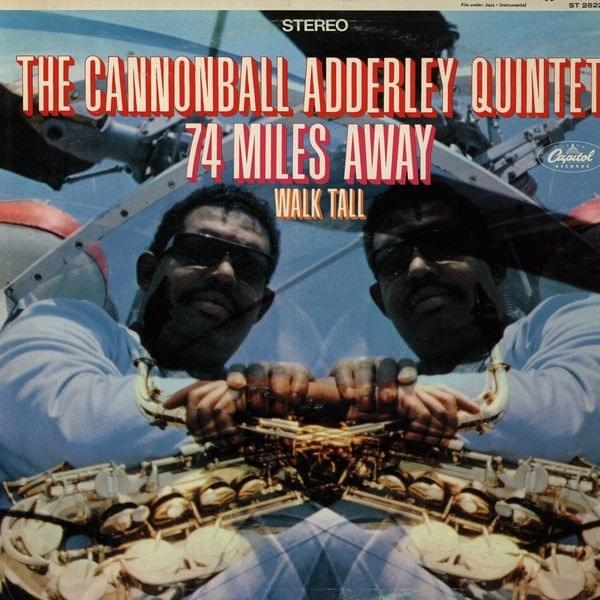
Cannonball Adderley's "Liebeslied für Orchester" presents a fascinating study in contrasts. The title, a German term of endearment literally translating to "Lovesong for Orchestra," promises a lush, romantic experience. Yet, the intro subverts this expectation with a spoken-word affirmation of resilience in the face of adversity. The juxtaposition is immediately striking: a European art tradition filtered through the lens of American self-reliance. The sparse lyrics, "There are times when things don't lay the way they're supposed to lay / But regardless, you're supposed to hold your head up high and walk tall," serve as a thematic anchor, grounding the instrumental exploration that follows. This sets up a compelling tension between vulnerability and strength, between acknowledging life's inherent chaos and choosing to maintain one's dignity. The repeated mantra to "walk tall" becomes a personal command, a defiant act of self-preservation.
The core of "Liebeslied für Orchester" resides in its extended instrumental section. Here, Adderley and his ensemble embark on a sonic journey that embodies the complexities hinted at in the spoken introduction. Without explicit lyrical guidance, the listener is invited to interpret the shifting moods and textures of the music. Is it a musical depiction of struggle, a triumphant expression of overcoming obstacles, or a more nuanced exploration of the emotional landscape in between? The beauty of the piece lies in its ambiguity. The orchestra's swells and dips, the interplay between instruments, all contribute to a rich tapestry of feeling that resonates far beyond the simplicity of the spoken words.
Ultimately, the song's meaning hinges on the listener's ability to connect the initial message of perseverance with the instrumental narrative. "Walk tall" isn't just a platitude; it's an active choice. It's about finding inner strength amidst the inevitable imperfections and disappointments of life. "Liebeslied für Orchester" is not a saccharine love song in the traditional sense. Instead, it's a love song to the self, an orchestral ode to resilience, and a reminder that even when things don't "lay the way they're supposed to lay," the power to rise above remains within our grasp. The instrumental becomes the emotional journey, the highs and lows of maintaining that strength, and the 'walk tall' outro reinforces the need to repeat the mantra, to keep moving forward.
 View Artist