Song Meaning
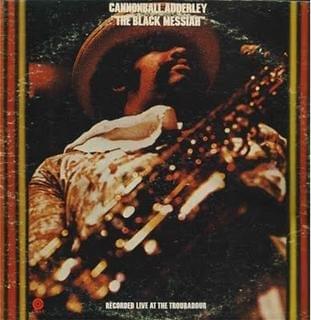
Cannonball Adderley's "The Scene (Live, 1971)" isn't so much a song as it is a captured moment, a fleeting slice of musical life served raw. Stripped of traditional lyrical depth, the 'lyrics' instead offer an unvarnished glimpse behind the curtain, revealing the casual, almost backstage reality of a live performance at The Troubadour. It's a meta-commentary, a jazz wink at the audience acknowledging the unspoken rules of the gig: the constraints of time, the venue's routine, and the band's unspoken desire to just keep playing. This isn't crafted narrative; it's pure, unadulterated vibe.
The seemingly throwaway lines, "The way I feel about it is that if we could play a lot longer...we'd be happy about it," speak volumes about the improvisational spirit inherent in jazz. The music, the *scene*, is the point. The words are simply a framework, a humorous acknowledgement that even the most transcendent musical experience is bound by earthly limitations. There's a playful tension here, a negotiation between artistic impulse and the practicalities of a nightly set. Adderley isn't just playing music; he's curating an experience, sharing the camaraderie and the unspoken language of the musicians on stage.
Ultimately, "The Scene" functions as a testament to the ephemeral nature of live performance. It's a reminder that music isn't just about notes and chords; it's about the shared space, the fleeting connection between artists and audience, and the unspoken understanding that all good things must eventually come to an end. The roll call of musicians – George Duke, Mike Deasy, Walter Booker, Roy McCurdy, Ernie Watts, Airto Moreira, Buck Clark, Nat Adderley – transforms the piece into a celebration of collaboration, a snapshot of a specific time and place where these individual talents converged to create something unique and unrepeatable.
 View Artist