Song Meaning
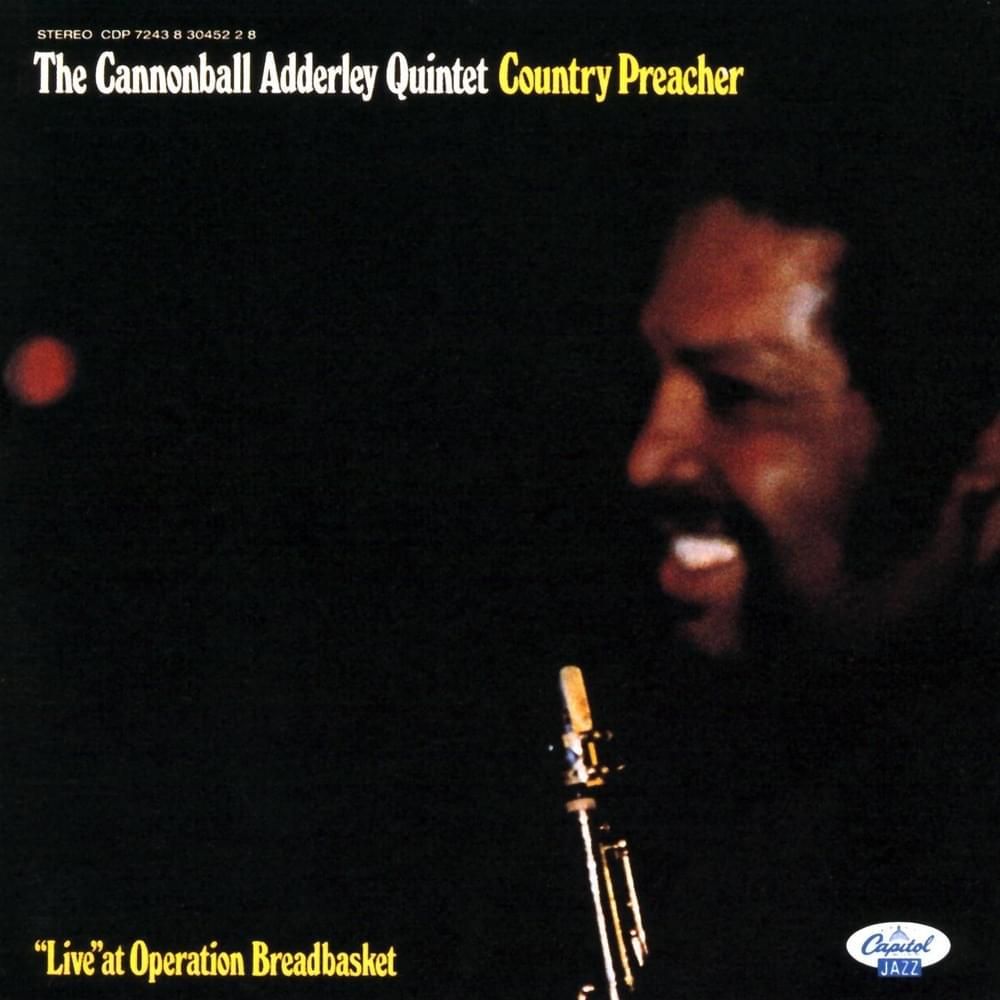
Cannonball Adderley's "The Scene (Live, 1969)" isn't just a song; it's a visceral snapshot of a cultural and spiritual moment. Framed by the powerful invocations of "We Shall Overcome" and "Soul Power," the track operates as both a benediction and a call to action. The spoken-word introduction grounds the instrumental exploration in the realities of the late 60s, a period defined by civil rights struggles and a burgeoning sense of Black identity. Adderley uses these anthemic phrases not as simple slogans, but as anchors, suggesting that the improvisational journey about to unfold is inextricably linked to the collective yearning for liberation and self-affirmation. The interjection of "I am Somebody" speaks to the urgent need for individual recognition and agency within a system designed to erase identity. "Sock it to me" adds a layer of playful defiance, a hint of sly rebellion against the status quo.
The bulk of "The Scene" is, of course, instrumental, an extended improvisation that serves as the heart of the song's meaning. It's here that Adderley and his quintet—featuring the formidable Joe Zawinul on piano, Walter Booker on bass, Roy McCurdy on drums, and Nat Adderley on cornet—truly explore the emotional and spiritual landscape evoked by the opening chants. The music becomes a conversation, a dynamic interplay of voices that mirrors the complexities of the era. Zawinul's piano work, in particular, seems to capture the tension between hope and despair, weaving intricate melodies that hint at both the promise of progress and the ever-present threat of regression. The song is an extended meditation on the themes introduced in the opening.
Adderley's closing remarks are more than just a thank you; they're a testament to the power of shared experience. By acknowledging each member of his band and expressing gratitude to the audience at Grant Pastor, he underscores the communal nature of the "soul power" he's been invoking. He emphasizes the reciprocal relationship between performer and listener, describing the audience as "ideal soul mates." This framing suggests that the music isn't just something to be passively consumed but an active force that unites people in a shared pursuit of understanding and liberation. The invitation to return and "groove" together again reinforces the idea that the struggle for social justice is an ongoing process, one that requires sustained effort and unwavering solidarity. It's a powerful reminder that even in the face of adversity, music can be a source of strength, connection, and hope.
 View Artist