Song Meaning
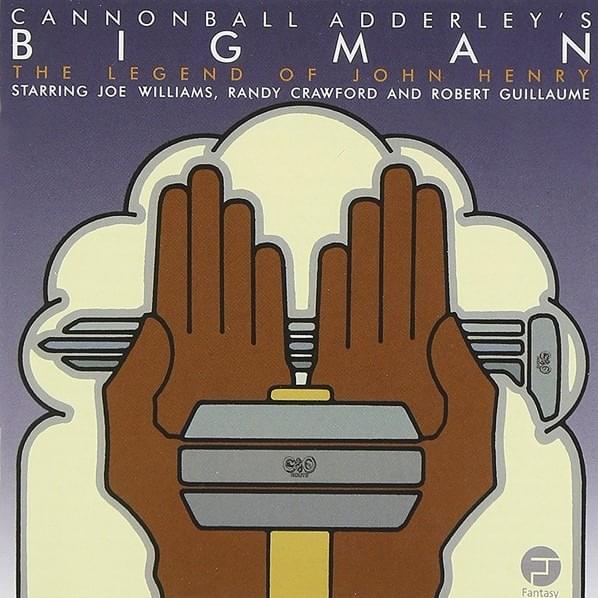
Cannonball Adderley's invocation of John Henry in "On His Bones" isn't just a historical retelling; it's a raw, spiritual reckoning with the cost of progress. The repeated phrase, "travelin' to freedom on his bones," immediately shifts the focus from individual accomplishment to collective burden. John Henry, the "cold-steel driver," becomes less a symbol of American grit and more a sacrificial offering on the altar of industrial advancement. Adderley’s rendition, steeped in gospel fervor, amplifies the inherent tragedy: a man literally giving his life so others might move forward. The "cold-steel driver" isn't just battling a machine; he's wrestling with a system that demands human sacrifice. This isn't about triumph; it's about the dehumanizing price of 'progress.'
The brilliance of Adderley’s interpretation lies in the ambiguity he preserves. The "freedom" gained on John Henry's bones isn't explicitly defined. Is it economic freedom? Social mobility? Or simply the freedom of movement afforded by the completed tunnel? This lack of specificity allows the song meaning to resonate across different struggles and contexts. The song becomes a lament for all those whose labor and lives have been exploited to pave the way for others. The "bones" become a metaphor for the unseen costs, the human wreckage left behind in the relentless pursuit of a better future. It forces a confrontation with the uncomfortable truth that progress often stands on the backs—and the bones—of the marginalized.
The cyclical nature of the lyrics, particularly the chanting of "on his bones," evokes a ritualistic quality. It's a spiritual acknowledgment, a communal processing of grief and guilt. The song meaning transcends a simple narrative; it becomes a call for remembrance and, perhaps, a reckoning. By repeatedly invoking the image of travel upon John Henry's remains, Adderley compels listeners to confront their own complicity in systems that perpetuate such sacrifices. Are we truly "travelin' to freedom," or are we merely perpetuating a cycle of exploitation, blindly moving forward on the bones of others? The power of "On His Bones" lies in its refusal to offer easy answers, instead forcing a deep, unsettling contemplation of the true cost of advancement.
 View Artist