Song Meaning
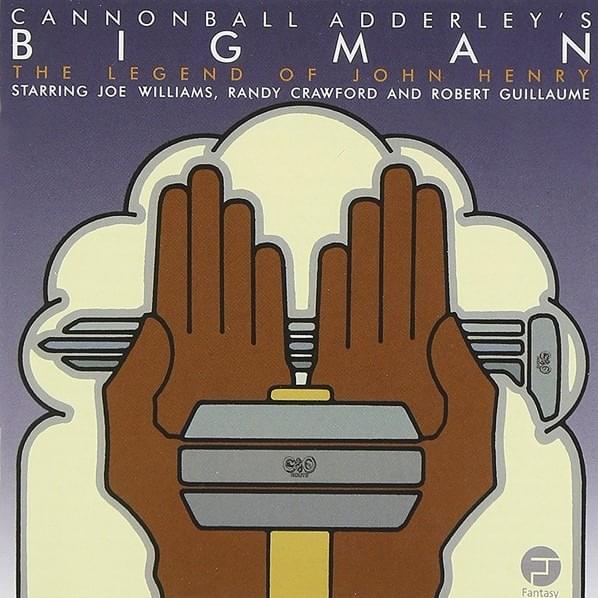
Cannonball Adderley's "Hundred an' One Year / M'ria" is not merely a song; it's a haunting sonic tapestry woven from the threads of American trauma, labor, and the enduring spirit of resistance. The 'M'ria' of the title, a mournful invocation, immediately evokes the image of a 'long black train,' a potent symbol of inescapable fate and the relentless journey of the oppressed. This is not a literal train, but a metaphorical one, carrying souls down a path paved with hardship and injustice, echoing the historical realities of the chain gang. The repeated phrase 'Boy who ride / Merria / Not come home again' underscores the devastating finality of this journey, where hope is extinguished and lives are consumed by the brutal machinery of systemic oppression.
The 'Hundred an' One Year' refrain anchors the song in a timeless cycle of suffering. It transcends a specific historical event, becoming a representation of the perpetual struggle against dehumanization. The mention of 'Meeria Road' conjures a physical space of confinement and forced labor, but also a psychological landscape of despair. The interjection of 'John Henry' adds another layer of meaning. John Henry, the steel-driving man, is a symbol of defiance against industrial forces that threaten to erase human value. His instruction to his 'woman' to delay supper hints at an awareness of his own mortality and the sacrifices demanded by his Sisyphean task. The geographical markers—Natchez, Memphis, New Orleans—further solidify the song's connection to the Deep South, a region steeped in the history of slavery, racial injustice, and the blues.
Ultimately, Adderley's composition is a lament and a protest. It doesn't offer easy answers or resolutions, but instead forces us to confront the uncomfortable truths of the past and their lingering presence in the present. The song meaning resides not just in the lyrics, but in the spaces between them, in the silences that speak volumes about the pain and resilience of those who have been marginalized and exploited. It is a chilling reminder that the echoes of history continue to reverberate, demanding that we listen and learn from the mistakes of generations past.
 View Artist