Song Meaning
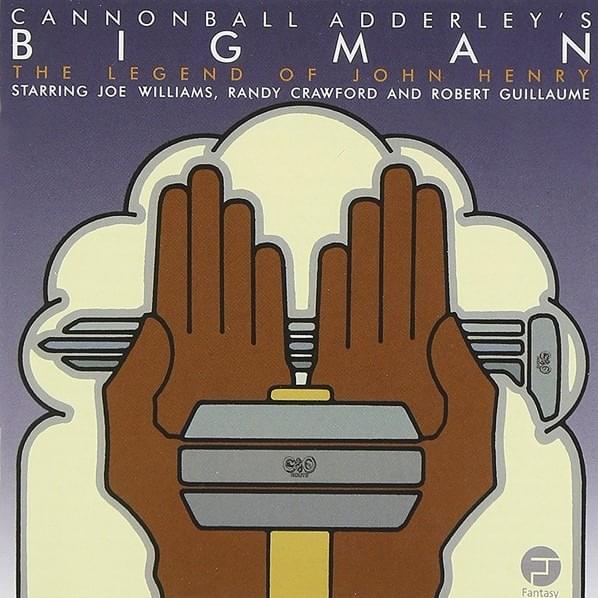
Cannonball Adderley's "Dialogue: 'Now a man gotta speak...'" isn't just music; it's a visceral slice of Americana, a distilled conflict between human grit and encroaching mechanization. Through the stark oratory of John Henry, the track excavates the anxieties of a working class staring down obsolescence. It’s a primal scream against the relentless march of progress, where a man's worth is measured not in currency, but in the sweat and sinew he pours into his labor. The spoken word performance isn't a passive narration; it's an active assertion of identity. Henry's declaration, "the only voice I got is this hammer in my hand," lays bare the brutal equation: his existence, his very voice, is inextricably linked to his physical prowess.
The song meaning hinges on the inherent dignity of manual labor. John Henry's challenge to the machine isn't just about winning a bet; it's a desperate attempt to validate a way of life that's rapidly vanishing. Bull Maree's dismissive words, "Ain't no man—never—gonna beat no machine!," encapsulate the cold logic of industrial efficiency. Yet, within Henry's defiance, we find a profound commentary on the human spirit. He's not just fighting a machine; he's battling the creeping sense of worthlessness that threatens to engulf him and his community.
Ultimately, “Dialogue: 'Now a man gotta speak...'” is a meditation on legacy and the price of progress. John Henry’s willingness to "die with this hammer in my hand!" elevates him to a tragic hero. He is a symbol of resistance against a world that increasingly devalues human skill and effort. The "Promised Land" he speaks of isn't necessarily a geographical location, but rather a state of being where a man's labor is recognized and respected, a poignant and timeless theme that resonates far beyond the specific historical context of the song.