Song Meaning
The narrator expresses a desire for a specific kind of romantic encounter, fixated on a "suburban girl" and grand, almost performative gestures like giving "Paris and Rome." There's a palpable tension between this idealized vision and a sense of impending doom or finality, as the setting is described as "the end of the world." This juxtaposition creates an immediate, almost surreal emotional texture, hinting at a desperate search for connection amidst chaos or a profound sense of ennui.
The central conflict seems to stem from a desire to control perception and avoid difficult truths, both for himself and for the object of his affection. He wants to shield her from discovering something "on her own," suggesting a fear of vulnerability or exposure. The repeated phrase "All the roads lead back home" implies a cyclical, perhaps inescapable, reality that contrasts with his escapist fantasies of grand romance and exotic locales.
The most striking element is the repeated refrain, "I'll never worry my dome again." This phrase, coupled with the narrator's self-description as "a mess" whose "clothes fit" poorly, suggests a conscious decision to disengage from anxiety or self-reflection. It’s a declaration of willful ignorance or a surrender to hedonism, a way to escape the weight of his own perceived failings and the potential fallout of his actions.
This lyrical approach is effective because it grounds abstract desires in concrete, albeit slightly absurd, imagery. The contrast between wanting to "kiss a suburban girl" and setting the scene at "the end of the world," or between feeling "blessed" and wanting to "take a trip to the strip mall," highlights a profound disconnect. The narrator’s attempt to numb himself to worry, to "never worry my dome again," is a raw, almost defiant posture that resonates with a desire to escape overwhelming pressures, even if it means embracing a certain kind of chaos.
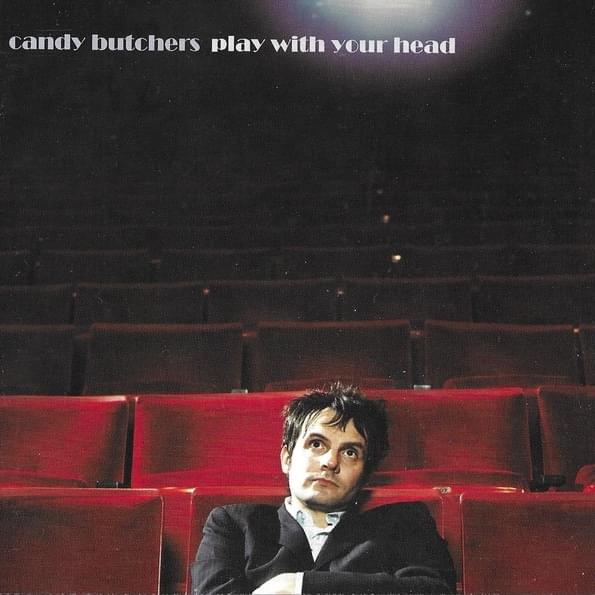
 View Artist