Song Meaning
The lyrics paint a picture of solitary reflection, with the narrator perched by a window, lost in song and smoke. There's a palpable sense of longing and displacement, as the narrator feels their head can't find rest and they can no longer bear to be in these foreign lands. The repeated image of cigarette smoke mirrors a pervasive melancholy, a haze that seems to obscure any hope or steadfastness from a distant lover. This creates an immediate atmosphere of quiet despair and resignation.
The central tension arises from the narrator's enduring pain and the perceived faithlessness of their beloved. The phrase "Yoktur aman şu yarimin imanı" (There is no mercy, my lover's faith is gone) is a stark accusation, suggesting a deep betrayal or abandonment that fuels the narrator's suffering. This internal ache, the "bağrı yanık" (burnt chest/heart) of the title, is the core emotional wound, amplified by the feeling of being alone and unloved.
The most striking element is the direct address in the chorus: "Bağrı yanık dostlara da merhaba / Boynu bükük eşlere de merhaba" (Hello to friends with burnt chests / Hello to spouses with bowed necks). This isn't just a lament; it's a communal acknowledgment of shared sorrow. The narrator extends a greeting to others who understand this specific kind of pain, transforming personal suffering into a shared experience. It suggests that the narrator, despite their own heartbreak, recognizes and empathizes with the struggles of others in similar situations.
This lyrical construction is effective because it grounds deep emotional pain in relatable, everyday imagery – the window, the song, the cigarette. The repetition of the smoke and the lover's lack of faith hammers home the persistent nature of the narrator's sorrow. By then reaching out to "friends with burnt chests," the lyrics offer a sliver of solidarity, suggesting that even in profound sadness, there's a connection to be found in shared experience, making the overall feeling one of poignant, communal melancholy rather than isolated, despair.
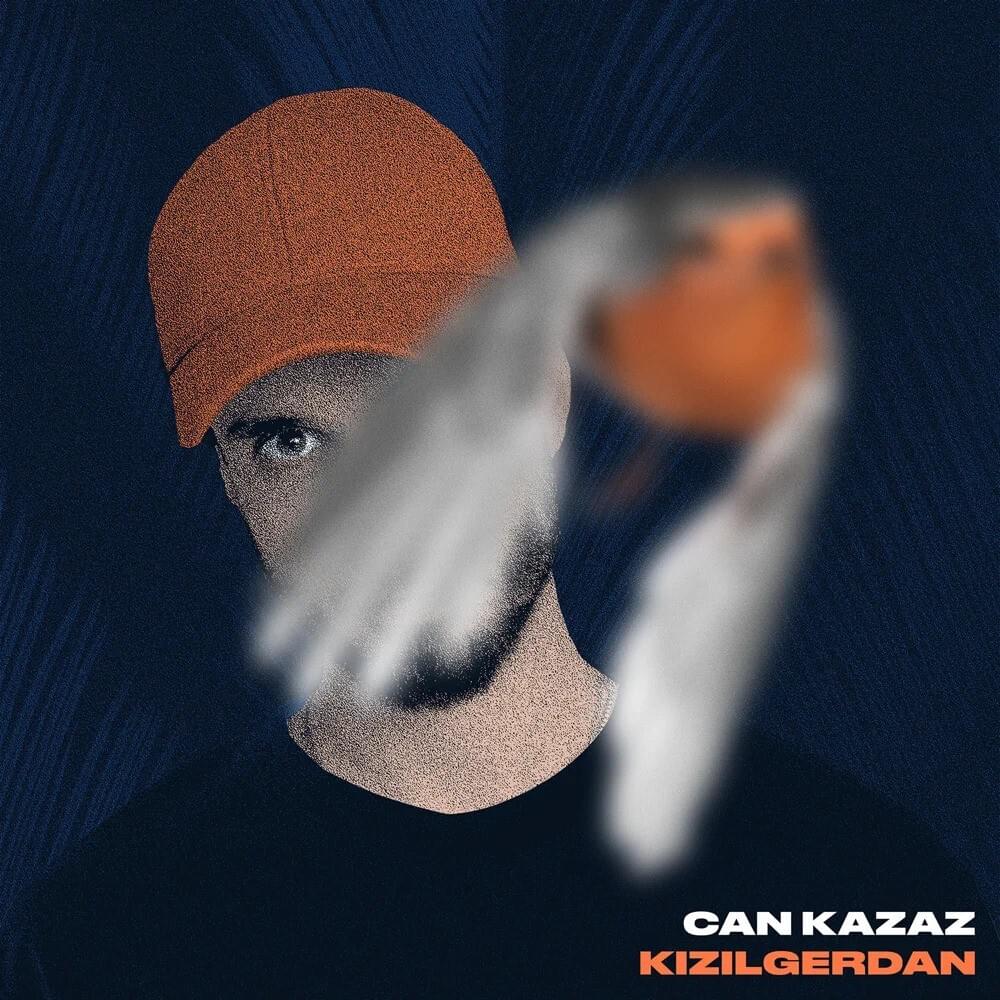
 View Artist